Our Research Strategy
Contents
Executive Summary
Read about Orchard’s mission, our team and scientific advisory board. For details of existing research projects, visit The work we do.
Operating Principles
Unmet need OCD is a severely disabling mental health disorder. With 2-3% of the world population affected (1m to 1.5m people in the UK alone). Existing treatments for OCD are unsatisfactory and inefficient in a large proportion of patients. Patients are left with out-dated medications initially developed for other mental health conditions, and 30%-40% of patients don’t respond to any available treatments. There is a significant unmet patient need and the Covid-19 pandemic has made this worse. It is reported that Covid-19 is associated with the clinical worsening of OCD severity, as well as the emergence of new obsessions and compulsions.
Collaboration and partnership Orchard OCD fosters collaboration between research scientists, clinicians, pharmaceutical and biotech companies, government agencies and patients and has built an OCD research community (OCD-R-Us) of over 100 people. The bridge between research scientists and clinicians on one side, and patients on the other is critical because it facilitates and runs research on OCD by bridging fundamental research and clinical practices and ensures future research programmes are grounded in patient experiences and unmet needs.
Innovation catalyst With the strong backing of key professional national and international actors in OCD, Orchard OCD initiates, drives, supports, and funds activities in multidisciplinary translational research, clinical trials, drug development, dissemination, and scholarly activities to ensure on-going innovation in treatment development for OCD.
Opportunity OCD is under-researched, yet it has distinctive features that make it an excellent topic of study. Modern neuroscientific techniques – studying brain structure, genetics and receptors – provide an exceptional opportunity to significantly boost our ability to develop new treatments.
Outcomes With a target budget of £4,246,127, we will carry out the following over the first five years:
- Annual pre-clinical/clinical studies of potential treatments identified by our consortium (one/year for the first three years, then two/year for years 4 and 5). These will answer the questions set out in ‘Future Plan - Objective A’, such as what is the role of immune function in OCD and can we successfully target immune function therapeutically; do novel psychological therapies work and how; what non-invasive neuro-stimulation is most successful (see’ Future Plan - Work Package 1’).
- A multi-disciplinary programme by our consortium to increase our understanding of the neuroscience of OCD (£500,000/year, 3 years). This will answer questions from the section ‘Future Plan - Objective A’, such as which neural networks are most affected in OCD; what is the role of animal models for treatment development in OCD; which neural circuitry is most important for targeting therapeutically? (see’ Future Plan - Work Package 2’)
- A project aims to understand physical exercise as an anti-inflammatory intervention for patients with OCD (£68,500 for the first year, £118,500 for the second year and £251,500 for the third year) (see’ Future Plan - Work Package 3’)
- An Open Treatment Accelerator Programme (one/year at £150,000/year for the first three years, then two/year for years 4 and 5). This will be open to any OCD researchers anywhere in the world in order to accelerate their development of potential new treatments (see’ Future Plan - Work Package 4’).
- A project aims to test the use of a smartphone-based app to improve contamination fears and excessive washing behaviours (£60,500 for 16 months) (see’ Future Plan - Work Package 5’).
- An international registry of OCD patients (£40,000/year) This is to increase understanding of the disease and recruit patients into clinical trials (see’ Future Plan - Work Package 6’).
- A project proposal to characterise the efficacy of tolcapone in OCD (£743,500 for 3 years) (see’ Future Plan - Work Package 7’).
- Project management, engagement, dissemination, workshops and networking (£180,000/year for first three years, £250,000/year for years 4 and 5). This will cover salaries, travel expenses, costs of organising meetings, workshops, symposiums in the programmes above and activities to raise public awareness of OCD.
Social and economic burden of OCD
For an introduction to the condition and its symptoms, visit About OCD.
OCD has been shown to interfere significantly with the person's life (or with the development of a child). It puts a great social and economic burden on the person and their environment, with considerable economic burden on family and society. The World Health Organisation (WHO) has ranked OCD as the tenth most disabling illness of any kind, in terms of lost earnings and diminished quality of life6. According to the charity OCD UK and the Health Technology Assessment (2016), OCD presents a considerable burden to the individual, family, health services, and society as a whole. Almost all people with OCD report that their obsessions cause them significant distress and anxiety7. In terms of quality of life, people with OCD have worse quality of life relative to their peers. Adolescents show problematic peer relations, academic difficulties, sleep problems, and participate in fewer recreational activities than their peers. When compared to other anxiety disorders and unipolar mood disorders, a person with OCD is less likely to be married, more likely to be unemployed, and more likely to report impaired social and occupational functioning8. The quality of life of people with OCD have been further decreased due to COVID-19 and for some, its impact will last long after the public health crisis passes. Up to 1 in 4 OCD patients will attempt to commit suicide at least once in their lifetime.
The total cost accrued as a result of OCD is difficult to measure; the direct costs to health services and patients of medical care represents only one aspect of the total burden. Indirect costs to patients and society as a result of lost productivity and wider impacts on informal care from friends and family members are also substantial9. OCD, compared with other anxiety related disorders, is associated with more work-related occupational impairment. According to OCD UK, a US report suggested that the economic impact of OCD in the US is at $8.4 billion every year, yet the USA spends less than a tenth of this on research into all mental health diseases9. One report estimated that, on average, a person with OCD loses three years of wages over their lifetime. This equates to losses of £483.04 for every week they are absent and amount to a total of £75,354 due to unemployment over this 3-year period. This does not account for lost opportunities for career advancement and the cost to families and carers over their respective working lifetimes6. The long-term social and economic costs are still likely to be greatly underestimated, but this highlights the importance of providing early intervention and the highest quality of care and treatment for people with OCD.
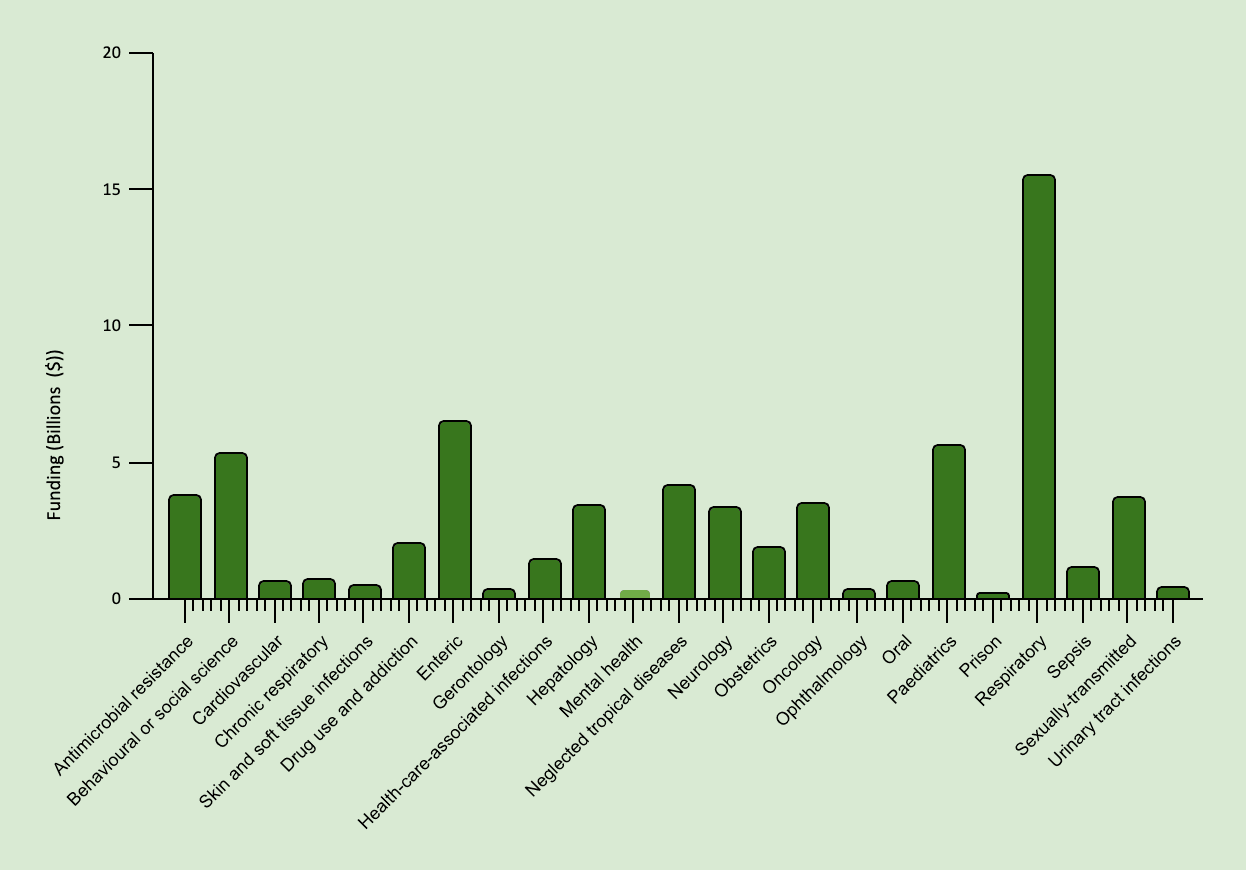
In 2017, Orchard OCD worked with the Cambridge Consulting Network to estimate the economic burden of OCD. They found that the amount of money lost due to a disease per £1 of research money spent on it (higher education costs/research spend) is £485 for diabetes and £18 for cancer. For OCD, this number is £5,078, highlighting how little money is spent on OCD research compared to its economic cost. (The full report is available on request.)
Current state of OCD research
Neural basis of OCD
OCD is a serious and common neuropsychiatric disorder which is associated with impaired neural circuitry in the brain1. Further research into the neural basis of OCD is essential for a deeper understanding of the condition and has the potential to spawn many possible therapeutics.
Impaired neural circuitry has been revealed in OCD patients by brain imaging methodology, including structural imaging, measuring grey and white matter of the human brain and functional brain imaging (e.g. measuring metabolism or neurochemical changes). There have been enormous advances in the last decade, but the definitive picture in OCD is still emerging. One position suggests that the normal balance in activity is lost in cortical circuits (the thin layer of neural tissue covering the surface of the brain) and especially prefrontal circuits (circuits in the frontal lobe of the brain)12.
OCD is a heterogeneous neuropsychiatric disorder and symptoms can present themselves in several forms. One type of OCD that often appears in popular depictions of OCD is excessive cleanliness (contamination OCD) but some of the insidious manifestations of the condition such as intrusive thoughts (e.g. anxiety about acting on violent thoughts) that are no less debilitating are less well known by the general public. All these conditions are labelled with the same clinical diagnosis but can have different physiological bases underlying them. The current one-size-fits-all approach is ill-equipped to deal with the different ways OCD affects patients and not only does this lower the success rates for some treatments, but this creates a problem for clinical trial recruitment. If different forms of OCD are found to have different neural signatures, then treatment can be personalised, and patients can be stratified into more homogenous groups for clinical trials increasing the amount of meaningful data that can be gained.
Research that correlates the development of new laboratory (or online) psychological tests and computational modelling of the underlying processes provides steps towards understanding how symptoms of OCD arise. The importance of this approach is that it helps to identify possible molecular targets (i.e. chemical neurotransmitters) or particular neural circuit targets for treatment. The molecular targets may lead to new drug treatments, for example to curtail excess activity in specific circuits. With prior knowledge of the psychological roles of neural circuits new cognitive-behavioural therapies may be developed to target the abnormal physiologies.
In addition to identifying molecular targets, uncovering the relevant circuit targets may allow interventions such as deep brain stimulation or 'neuromodulatory' interventions such as the non-invasive transcranial magnetic stimulation (TMS), which exerts effects on neurotransmitter functioning in the cortex. These methods are in their infancy and there may be some major problems. For example, TMS cannot be used easily to affect subcortical circuits (circuits that lie below the thin outer layer), but new techniques such as repetitive TMS may solve this problem13. Current progress in neuroscience research reveals that specific circuits can now be targeted in the brain, which may ultimately have implications for treating humans as unwanted side-effects produced by existing medications can be avoided.
Causation
Research into the causation of OCD is important because it presents opportunities for future cases to be prevented. This may be through identifying at-risk patients,monitoring patients before symptoms present themselves, or removing causal factors present in the environment. Harnessing understanding of causation is a powerful means to prevent and treat cases early and this is especially important because for many, OCD becomes more complex and difficult to treat with increased duration of illness. With chronicity, depression and demoralisation supervene and the risk of suicide increases yet patients normally present for treatment roughly 10 years after illness onset14.
An exciting area for OCD research is expected to be in adolescent brain imaging. Adolescence is often the time when symptoms first emerge and tracking the physiology of OCD over the course of young adulthood may yield insight into how OCD entrenches itself. OCD is almost certainly heritable, but the genes involved have not yet definitively been established. The likelihood is that there will be many risk genes that each contribute15. Some of the genetic research is suggesting effects related to the neurotransmitter glutamate and its receptors, consistent with some neuroimaging evidence. It is also likely that environmental factors play a large part in the induction of OCD. For example, the non-specific effects of stress, especially early in life after increasingly being shown to produce changes in brain and behaviour possibly relevant to OCD and other mental health disorders16.
Another large growth area is neuroimmunology, especially given the evidence that some forms of OCD follow staphylococcus infections in children (PANDAS)17. This could lead to a new range of drug treatments. The interaction between the gut microbiome and OCD is another promising area for research, and a runner-up in Orchard’s 2019 call for proposals planned to investigate the effect of probiotics on OCD symptoms. Unfortunately, we were not able to award this study any funding due to our own financial constraints.
Animal models
Animal models of disease are important for exploring new concepts for treatment of clinical disorders. This is difficult in the case of mental health disorders, including OCD because it is harder to assess the psychological outcomes but there are some useful animal models of OCD. For example, focusing on some candidate genes for OCD expressed in mice, it does appear that compulsive behaviours may develop (such as compulsive grooming)18. Moreover, more complex cognitive parallels to OCD may be present in rodents and monkeys; for example, cognitive rigidity or inflexibility that is also seen in OCD patients and may relate to obsessional thinking, and excessive checking behaviour in conditions of uncertainty. These models may be helpful in the initial stages of testing new treatment approaches, including the neural circuit approaches described above.
Because of the challenges of animal models, trials with human subjects play an even greater role in OCD research. Critical to smooth and efficient running of clinical trials is patient recruitment, and Orchard plans to facilitate easy access to volunteers by setting up an international patient registry (see section on Future Plans).
Mechanisms of existing treatments
A parallel research activity to developing new treatments is to determine the mechanisms of action of existing treatments. OCD is unusual among neuropsychiatric disorders in having at least four distinct modes of treatment: medication such as selective serotonin reuptake inhibitors (SSRIs), cognitive behavioural therapy with response prevention, non-invasive neuromodulation (e.g TMS) or, for severe cases, surgery or deep brain stimulation (DMS). However, like many psychiatric treatments, it is not known how and why exactly these treatments work. Understanding these mechanisms will provide new clues for developing novel treatments.
Current Challenges
Clinical Challenges
OCD is a common, chronic or relapsing neuropsychiatric disorder, usually appearing between 10 and 25 years of age. As aforementioned, OCD often becomes more complex and difficult to treat with increased duration of illness, possibly because the associated brain and psychological mechanisms change and become more complex as time passes. However, patients don’t normally present for treatment until roughly 10 years after illness onset.
In order to improve OCD treatment outcomes, several clinical challenges must be addressed:
- Early intervention to limit progression of the disorder
- Staged treatment approaches to maximise patient benefit
- Improved access to treatment
1. Early intervention to limit progression of the disorder
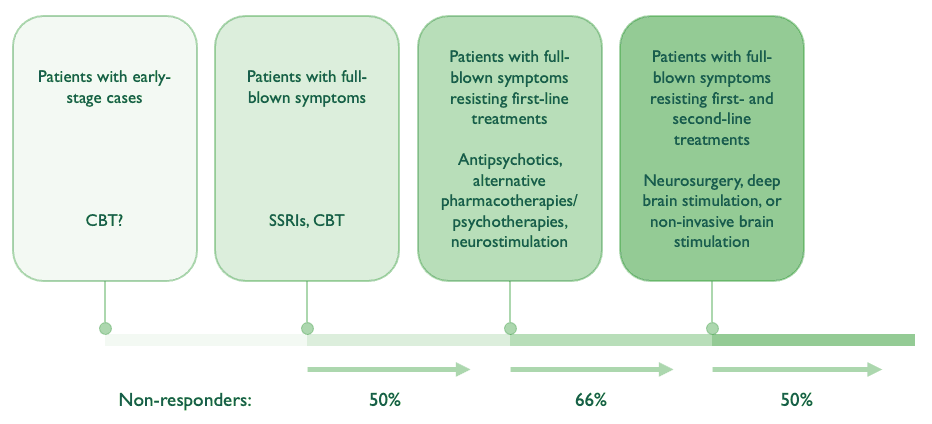
This requires the development of methods for early detection of at-risk individuals and interventions for prodromal cases, i.e. those who have developed some initial symptoms but do not yet have fully-developed OCD. So far, no such interventions have been identified, though CBT appears to be a possible option. This treatment would largely target childhood, adolescence, and perinatal states.
2. Staged treatment approaches to maximise patient benefit
Our treatment guides cover first-line treatment, beyond first-line therapy, brain stimulation and complementary and alternative therapies. The research priorities for staged treatment are set out below.
I. First-line treatments
First-line treatments only benefit ~50% of patients. Moreover, the degree of improvement is usually only partial. We need reliable predictive markers to help identify who will respond well to either, or both forms of treatment, in order to guide treatment allocation.
50% of patients who respond go on to relapse. We need reliable predictors of relapse as few are known. Consultation with people with lived experience of OCD has identified the need for new, more efficacious treatments that continue to work in the long term.
II. Second-line treatments
For non-responders to first-line treatments, augmentation of SRI treatment with low-dose dopamine antagonists (aka antipsychotics) is an evidence-based second-line strategy and is efficacious in ~33% of such cases. For the majority of the remainder of patients there are no convincing evidence-based treatments available, though there are several candidate treatments currently at an experimental stage of development:
- Pharmacotherapy - stimulants, opiate agonist/antagonists, mirtazapine, sodium or calcium channel blockers, glutamate agonist/antagonists, serotonin receptor agonist/antagonists including psilocybin
- Psychotherapy - acceptance commitment therapy, habit reversal therapy, cognitive remediation therapy
- Neurostimulation - both invasive and non-invasive
Most of these treatments were originally developed as treatments for other mental disorders and ‘repurposed’ for OCD. The strength of evidence supporting these treatments varies, with some appearing more convincing than others, but none appear to have a large effect size, i.e. the therapeutic benefits appear relatively small. Outcomes are usually described in terms of the group as a whole, rather than the chances that an individual patient will benefit. New candidate interventions built upon valid illness models are needed with a strong chance of success at the level of the individual patient.
III. Further treatments
For patients whose symptoms resist both first- and second-line treatments, options are non-pharmacological in nature. For a minority of these cases, ablative neurosurgery is available as an NHS-commissioned treatment, whereas deep brain stimulation remains experimental in the UK owing to ongoing limitations in the scientific evidence base. These surgical forms of treatment appear to benefit ~50% of cases and produce a relatively large effect size, which must be balanced against their considerable cost and burden. This means that their use is likely to remain limited to a small proportion of the most extreme cases. Non-surgical approaches such as non-invasive forms of neurostimulation, if found to be efficacious, would have potential for scaling up to tackle a greater proportion of cases at the previous two stages.
3. Improved access to treatment
There are numerous factors currently limiting OCD patients’ access to treatment. These include but are not limited to:
- A lack of awareness of OCD within both the general public and healthcare settings
- A stigma around OCD
- A lack of access to healthcare providers specialising in OCD treatment
- A lack of collaborations and patient cohorts
This highlights a need for greater education of the general population and healthcare providers on OCD, and the establishment of better networks for treatment and research collaborations. Orchard plans to address the latter point by building a consortium of interdisciplinary professionals to plan and implement new treatment development programmes (see Future Plans).
Research Challenges
1. Trial design
The gold standard model for determining efficacy for a candidate treatment is the randomised controlled trial (RCT), which tests the experimental treatment against a matched comparator (control) treatment – either a neutral treatment (e.g. drug or psychological placebo or sham stimulation/ablation) or an active treatment with an established effect. OCD is well-suited to RCT research, since the placebo effect is traditionally quite small, so if a treatment is effective this can usually be detected readily without needing extremely large sample sizes. To date, most RCTs in OCD have been short in duration and the long-term outcomes are not well understood. Running studies scaled up to last at least 12 months is entirely possible and would give a better approximation to naturalistic outcomes.
2. Patient recruitment
Systems for efficiently recruiting people with OCD to treatment trials are at a rudimentary level. Moreover, some forms of treatment such as trials of investigational medicinal products or somatic treatments are generally considered less acceptable by the public and are therefore harder to recruit to. For some people with OCD, the uncertainty around treatment allocation associated specifically with an RCT is another obstacle to recruitment. A patient registry would help overcome some of these barriers and streamline the recruitment process by identifying patients interested in participating in research.
3. Patient selection
Conventional methods for selecting people with OCD for RCTs rely on a clinical diagnosis that depends on clinical symptoms. However, even using standardised methods, the clinical diagnosis captures a broad spectrum of individuals with different psycho-patho-physiologies. This situation is further complicated as these pathologies may also change over the course of illness. Currently, we have scarce and relatively unreliable information about those intrinsic factors that could predict a good or poor outcome for an individual patient. Candidate factors include duration of untreated illness, presence of family history of OCD, tic, hoarding, obsessive compulsive personality traits, cognitive inflexibility, and genes coding for certain liver enzymes metabolising medications. We need better methods for stratification of patients into more homogeneous groups based on likely treatment response, as these are likely to aid trial design and produce more clinically meaningful information about treatment-related outcomes at the level of the individual patient.
4. Outcome measures
OCD severity is usually measured using the observer-rated Yale Brown Obsessive-Compulsive Scale, which is a relatively sensitive way of measuring treatment related changes in OC symptoms. However, OCD is a disorder with a broad profile of clinically-relevant impairments other than obsessive-compulsive symptoms, including mood, thinking (cognitive) problems, functional impairment, and wellbeing. We need scales that sensitively capture all of these aspects of OCD - some generic scales (e.g. the Sheehan Disability Scale) or prototypes of more OCD-specific scales (e.g. CAIOC-13) already exist. It is also possible that specific neurocognitive tasks that tap into thinking problems known to be associated with OCD, such as attentional set shifting and motor impulse control, may represent additional clinically useful outcome measures with predictive validity. More developmental work is required in this area.
5. Plausible candidate interventions based on reliable illness models
Because of the lack of robust unifying biological or psychological models of either the disorder or the mechanism of effect of existing treatments, there is a shortage of new candidate treatments entering the treatment development pipeline.
Ideally, such interventions need to:
- Have a strong prospect of being well tolerated
- Work better and more precisely than existing treatments, in terms of increasing the proportion of patients responding well and the magnitude of response
- Be scalable either for the majority of people with OCD taking into account the special needs of those in different age groups, or be designed for specific subgroups of patients defined a priori according to factors such as those described in Section 3 above
Identification of these candidate interventions requires investment in preclinical research (genetic, immunological, neurological including brain imaging, neuropsychological) to increase our understanding of the brain-based mechanisms upon which the candidate treatments act, taking account of different stages of OCD and subgroups. Preclinical research must also focus on developing a better understanding of the mechanisms underlying the effects of treatments (existing and candidate) as models that can be built upon to develop more efficacious forms of treatment - and which are still remarkably poorly understood.
Future Plan
We are proposing two objectives – objective A is for this five year programme, with a view to raising more funds in order to carry out objective B subsequently:
Objective A: Building upon existing knowledge, developing a programme of individual, but inter-linked preclinical and clinical experiments aimed at developing our understanding of some of the key aspects of the underpinning pathophysiology of OCD and of the efficacy of candidate treatments from a variety of different perspectives. Whereas each individual constituent study would contribute something positive but modest to the overall advancement of knowledge, the overall programme would produce greater gains through complementarity. The programme would address some of the following overarching research questions:
- Which neural networks are most affected in OCD?
- What is the role of animal models for treatment development in OCD and how can we get best use out of them?
- What is the role of immune dysfunction in causing OCD, how does it link with genetic risk and can we successfully target it therapeutically?
- Which neural circuitry is most important for targeting therapeutically via new forms of psychological or pharmacological intervention or neurostimulation?
- Do novel psychological therapies work and how?
- For non-invasive neurostimulation, which kind of patient, brain target, treatment protocol is likely to be most successful?
Objective B: An altogether more visionary approach will be to address the fundamental un-answered question that lies at the heart of all the above – i.e. what causes OCD? This is also a key question asked by OCD patients (see patient priorities). The concept would be to prospectively identify and follow-up, under controlled conditions, large ‘at risk’ cohorts of individuals (e.g. the children of parents with OCD) over the period when OCD is known to develop (e.g. prenatal-30 years of age), gathering comprehensive datasets including environmental, genetic and developmental factors thought to provoke or protect against the incidence of OCD, and the neural, physiological, psychological and social changes that develop alongside symptoms of the illness. This project represents a major undertaking, requiring considerable investment in networked interdisciplinary effort, but is likely to radically change our understanding of the disorder and lead to more effective interventions that are more thoroughly grounded in science.
Work Package 1: Consortium Programme
Research into OCD is often challenging due to research and cognitive science becoming further removed from the people those research studies are intended to help; OCD patients and the clinicians/therapists who treat them. Orchard aims to establish a consortium to facilitate multidisciplinary collaboration between research scientists, clinicians, pharmaceutical and biotech companies, government agencies and patients in order to promote and facilitate long-term translational research into OCD.
The goals of the consortium will be to help develop treatments for OCD patients and to better understand the biological and psychological mechanisms of OCD. The consortium will collectively take a multidisciplinary approach and work together using their specialties to identify promising, novel pre-clinical/clinical studies that could lead to potential treatments for OCD and to fund the research areas with the potential to have the highest impact for therapeutic development. These will answer the questions set out in ‘Objective A’, such as what is the role of immune function in OCD and can we successfully target it therapeutically; do novel psychological therapies work and how; what non-invasive neuro-stimulation is most successful.
The Orchard OCD consortium will enable cognitive scientists and practitioners to work closely together with the shared and defined goal of providing better treatment for people living with OCD by focusing on the domains of OCD research that could be useful to clinicians.
Past Experience
Orchard is in a strong position to establish the consortium as members of the team and scientific advisory board are partnered with a) academic institutes (University of Pittsburgh/ University of Cambridge/Imperial College London/University of Hertfordshire/Stanford University), b) clinical institutes (Hertfordshire Partnerships Mental Health Trust, Queen Elizabeth II Hospital/South West London and St George’s NHS Mental Health Trust) and c) industry (AstraZENECA/Sosei-Heptares)
Expected Outcomes
- Bridging fundamental research and clinical practices
- Building a consortium of interdisciplinary professionals (academics, clinicians, psychologists, patients, industry and charities) to plan and implement new treatment development programmes
- Fostering drug repurposing by working closely with researchers, pharmaceutical and biotech companies
- Initiating and running clinical trials with new treatments by collaborating with scientists and industry leaders
Work plan
| Work package number | WP1 |
| Start Date or Starting Event | September 2022 |
| Work package title | Consortium Programme |
Management Team
| Head | Oversees programme, coordinates logistics, leads annual meetings of the consortium |
| Deputy Head | Assists Head in his responsibilities, communication with the members of the consortium |
| Marketing Lead | Actively recruits new members, advertises events and activities |
Participating Partners
| Confirmed Partners |
|
| Potential Partners |
|
Objectives:
- To set up an international consortium which will promote global collaboration for OCD research (task 1)
- To identify promising pre-clinical/clinical studies for OCD and to fund key research questions that could lead to the long-term development of therapeutics (Objective A - developing our understanding of some of the key aspects of the underpinning pathophysiology of OCD and of the efficacy of candidate treatments) (task 2)
- To promote scientific engagement to researchers and the wider public (task 3)
Description of work:
We will set up an international consortium based around our emerging partnerships with the University of Hertfordshire and the University of Cambridge. We will build the consortium through the members of our Scientific Advisory Board, who have access to other universities and clinical centres, and through networks such as the International College of Obsessive Compulsive Spectrum Disorders (ICOCS) and the Foundation for OCD Research. The consortium will organise a kick-off workshop to bring together potential partners, definite the research objectives and agree a plan and milestones.
TASK 1 - Establishing an international OCD consortium
Positions to become a member of the consortium will be through recommendations by Orchard and their affiliates, or through application. Members will be chosen through the following criteria: experience, expert knowledge, time commitment and discipline. The total number of members, diversity, research scientists, physicians, industrial specialists and patient representatives are to be determined by the scientific advisory board and the management team. There will be a strong emphasis on selecting individuals that focus on different aspects of OCD research. Orchard aims to have a diverse representation of individuals on the consortium with regards to age/gender/ethnicity.
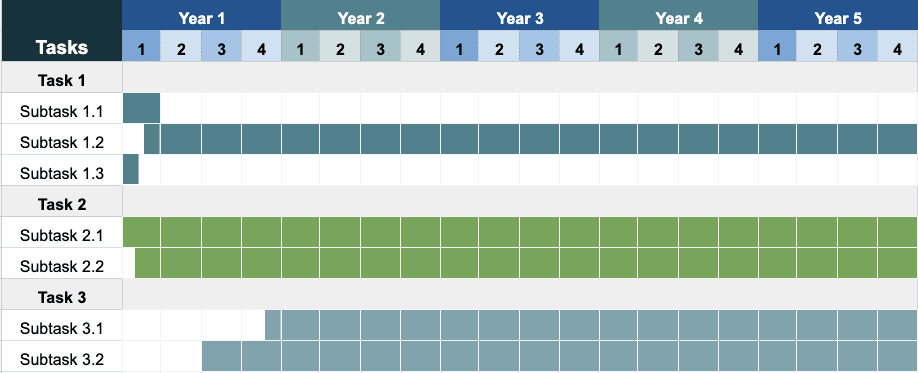
Task 1.1 - Selection of the members of the consortium (Months 1-3)
Orchard will identify possible candidates by a) networking with Orchard through recommendation by the Scientific Advisory Board’s contacts or b) Social media (e.g. Twitter)/ scientific campaign. Potential candidates (scientists, physicians, industrialists and patient representatives) for the consortium will be invited to apply through an online application format. Applications will be reviewed by the Management Team and Scientific Advisory Board and interviews will be held to determine whether candidates would be a good fit for the consortium. 10 successful applicants will be selected to become members of the consortium. Applicants will be selected based on diversity and meritocratic achievements.
Task 1.2 - Initial and triannual meetings (Months 3-60)
This will be enacted by a kick-off meeting during the first month after the consortium has been established. We will amend the management structure, and methods of decision making and communication between participants, as well as ethical guidelines, publication policy and intellectual property rights (IPR). The Consortium Agreement will be the basis of the relations and dealings between the participants. The initial meeting will enable members of the consortium to bring together potential partners and to network with one another. The consortium will subsequently meet triannually to discuss any progress/issues.
Task 1.3 - Hiring/Appointment of a qualified and motivated communications manager (1 month)
Deliverables: Creation of the Orchard OCD consortium, definite the research objectives of the consortium and agree on a plan and milestones
TASK 2 - Pre-clinical/clinical studies for OCD
Task 2.1 - Pre-clinical/clinical studies of potential treatments (5 years)
Annual pre-clinical/clinical studies of potential treatments identified by our consortium (one/year for the first three years, then two/year for years 4 and 5). These will answer the questions set out in ‘Next Steps for Research – Objective A’, such as what is the role of immune function in OCD and can we successfully target it therapeutically; do novel psychological therapies work and how; what non-invasive neuro-stimulation is most successful.
Task 2.2 Monthly Meetings and Ongoing Communication
Monthly meetings will be organised by the consortium to monitor progression of the studies funded by Orchard. The meetings will enable Orchard to track whether projects are on track, are still working towards Orchard's defined goals and share the same vision. The meetings will share the format of an individual presentation which will promote discussion about the topic. New goals will be set (quarterly, yearly and 3-yearly goals) and existing ones reviewed. These may relate to research, funding strategies, outreach, and advertisement. Orchard will also enable ongoing communication to members of the consortium by monthly email newsletters. These may include updates about Orchard projects, blog articles, invitations to events, and also represent an opportunity for members/partners to share their projects. In addition, Orchard will develop an online portal which will require members of the consortium to login with their account details and access features such as private messaging, notifications about news and events, a forum to discuss literature, research challenges and opportunities, etc.
TASK 3 - Engagement
Task 3.1 Annual Symposium
Orchard will organise an annual symposium to increase awareness into OCD research, to increase communication and collaboration between researchers and to enable networking in order to promote multidisciplinary translational research. Members and partners are encouraged to promote the symposium and be invited for speeches and proposals. The organisation of the event is facilitated by the management team.
Task 3.2 Webinars
Once a quarter, the consortium organises online webinars, in which partners and other scientists may be invited to speak. This encourages collaboration and communication between scientists, policy makers and other officials.
Deliverables:
- To establish an international consortium for OCD research, definite the research objectives of the consortium and agree on a plan and milestones (Task 1) Months 1-3
- To develop pre-clinical/clinical studies of potential treatments for OCD identified by our consortium (Task 2) Months 4-60
- To design and produce a platform where OCD researchers communicate efficiently and share resources (Task 2.2). Months 4-12
- Create the Orchard OCD annual symposium for researchers to share and discuss their work (Task 3) Months 12-60
- Publication 1: What is the role of immune function in OCD and can we successfully target it therapeutically? (Task 2.1). Months 12-24
- Publication 2: Do novel psychological therapies work and how do they work? (Task 2.1). Months 16-36
- Publication 3: Which non-invasive neuro-stimulation is most successful? (Task 2.1) Months 36-60
Milestones
- Applicants interested in being a part of the consortium will be invited to apply (Task 1) Months 1-3
- Consortium members conduct initial meeting (Task 1.2) Month 3
- Inaugural consortium study begins (Task 2) Month 4
- One study will be funded per year for the first three years, then two per year for years 4 and 5
Gantt Chart
Financial projections
| Financial Projection | Year 1 | Year 2 | Year 3 | Year 4 | Year 5 | Total |
|---|---|---|---|---|---|---|
| Engagement | ||||||
| Kick-off workshop | £10,000 | £10,000 | ||||
| Annual Symposium | £30,000 | £30,000 | £30,000 | £30,000 | £30,000 | £150,000 |
| Secretary/Engagement manager | £25,000 | £25,000 | £25,000 | £25,000 | £25,000 | £125,000 |
| Other | ||||||
| Data storage servers | £500.00 | £500.00 | £500.00 | £500.00 | £500.00 | £2500.00 |
| Literature/open-access publication fees | £8,000 | £8,000 | £8,000 | £8,000 | £8,000 | £40,000 |
| Travel expenses | £20,000 | £20,000 | £20,000 | £20,000 | £20,000 | £100,000 |
| Total | £393,500 | £383,500 | £383,500 | £683,500 | £683,500 | £2,527,500 |
Work Package 2: Neurobehavioural Basis of Obsessive-Compulsive Disorder
Obsessive-compulsive disorder is a common, severe and disabling psychiatric illness which is treated with limited effectiveness by pharmacological medication and behavioural therapy, as well as by neurosurgical procedures in severe cases. Although brain imaging studies show evidence of brain changes in OCD, it is unclear how these changes produce its distinctive symptoms, and nor is it clear how neurosurgical and novel 'neuromodulatory' treatments actually work. The main goals of this research will help to address these questions. This proposal continues to test our hypothesis that OCD results in part from an imbalance between brain circuits including portions of the frontal lobes controlling goal-directed behaviour and habits, in both adult and adolescent OCD patients, while modelling these impairments in experimental animals. We are focusing on how decision-making in uncertain situations provides special challenges for OCD patients and results in the compulsive symptom of checking behaviour, thought to be an aberrant form of exploration.
Work plan
| Work package number | WP2 |
| Start Date or Starting Event | September 2022 |
| Work package title | Neurobehavioural Basis of Obsessive-Compulsive Disorder |
Objectives:
In humans:
- Test further our original hypothesis of imbalanced cortico-striatal pathways in OCD mediating a bias away from goal-directed to maladaptive habitual control that underlies core compulsive symptoms, using a cross-species, translational approach.
- Address recent computational findings of decision-making under uncertainty producing aberrant response switching tendencies in OCD which hypothetically relate to the symptom of compulsive checking.
In marmosets:
- Explore further the interaction between OFC regions and the rACC-24 when the OFC region is over-activated, as occurs in OCD.
- Confirm the relevant output circuitry from rACC-24 to the striatum.
In rats, investigate the following:
- The neural correlates of differences between sign-trackers and goal-trackers in terms of excessive checking.
- The relationship between checking and reduced response ‘stickiness’ under uncertainty.
- Whether excessive checking is habitual or goal-directed.
- The neural basis of excessive checking for comparison with human studies implicating the ACC and striatum.
Description of work:
The human study will involve the neuroimaging of human OCD patients and measurement of glutamate/GABA levels in cortex. The overarching goals are to provide a neuro-behavioural account of obsessive-compulsive disorder (OCD), whilst also enhancing our understanding of fronto-striatal function and new 'circuit -based' therapies. We will test the hypothesis that increased switching and compulsive checking of OCD are related and depend on anterior cingulate cortex (ACC) hyperactivity, possibly arising from glutamatergic/GABAergic imbalance in OCD.
The marmoset study will involve investigation of neural circuitry in a marmoset model of loss of control over goal-directed behavior in OCD. A paradigm of potential importance for OCD is the distinction between goal-directed behavior and habits, which use different fronto-striatal systems in the brain. We hypothesise that OCD is associated with a bias to using the habit-based system, which may underlie compulsive behavior. One way of testing this degrades the normal causal connection that might exist between actions and their consequences (contingency degradation), in other words, the control exerted by voluntary or instrumental behavior. If actions and outcomes are uncoupled (the rewarding events still occurring but no longer in relation to responding) it would be expected that voluntary actions would diminish (as they are no longer effective in producing the goal/reward). Their persistence, however, implicates habitual control over behavior. Pavlovian stimuli are known to provoke symptoms in OCD via activation of the ACC and OFC (orbitofrontal cortex - a region in the prefrontal cortex), structures implicated in the cortical mediation of Pavlovian conditioning. Specific aims of the planned work are to explore further the interaction between OFC regions and the rACC-24 when the OFC region is over-activated, as occurs in OCD, and to confirm the relevant output circuitry from rACC-24 to the striatum.
The rat study will involve investigation of the effects of mGluR2 receptors on excessive checking behaviour in rats as a valid model of OCD. The main mouse models to date have focused on excessive grooming after manipulation of single genes that may contribute to OCD phenotypes. The purpose of this project is to validate a more realistic rat model of excessive checking behaviour which we have already shown translates into our human studies of checking in OCD.
The main tasks will be as follows:
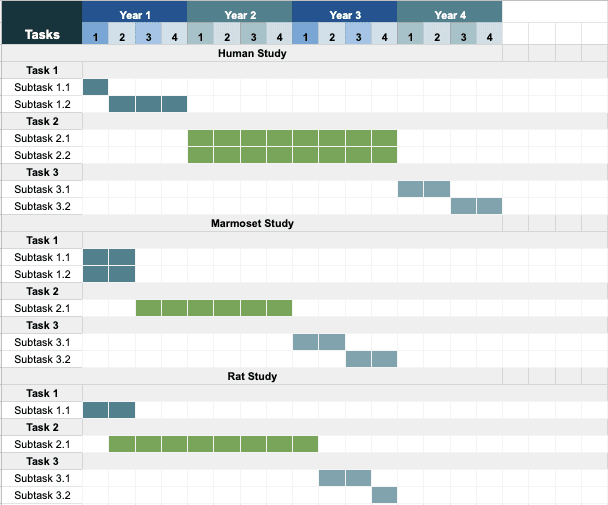
Human study:
TASK 1 - Introductory setup and preparation
Task 1.1 - Introduction and recruitment (Months 1-3)
- All those involved with the administration of the experiments meet to discuss and clarify the research timeline.
- The clarified research methodology and timelines are shared with Orchard and Orchard patient registry.
- A list of recruitment criteria for the human trials is created and shared with the Orchard patient registry. 40 adult patients (20 of whom are unmedicated) and 30 adolescent patients with IQ, age and gender-matched controls.
- Materials promoting the trial through other sources e.g. Orchard’s website is created and distributed.
Task 1.2 - Patients who have applied for the experiment will be screened to ensure they match the criteria (Months 3-9)
TASK 2 - Administration
Task 2.1 - Patient data collection (Months 12-36)
- Selected patients will receive a test battery including PRL and two forms of checking, one similar to the rodent observing response 'checking' task in terms of contingencies, and the other based on perceptual decision-making.
- Behavioural data on contingency degradation will be collected.
- Questionnaires to test hypotheses concerning the relationship of reduced stickiness (and other parameters) to state anxiety, intolerance of uncertainty, compulsivity and habit traits, including automatisation, will be administered.
Task 2.2 - Patient attend labs (Months 12-36)
- Patients will attend the lab to undergo a 7Tesla MRS scan to measure NAA, glutamate, glutamine and GABA levels in the ACC, with control voxels in the visual cortex and the Supplementary Motor Area.
- Patients will attend the lab to undergo a fMRI study of contingency degradation in OCD to determine the neural basis of the behavioural deficits detected earlier: participants will be trained to respond for rewards outside the scanner and then subjected to a partial degradation of contingency before being scanned with partial and full degradation analogous to a previous block design in healthy volunteers.
TASK 3 - Analysis and presentation (Months 36-48)
Task 3.1 - Analysis (Months 36-42)
- Employment of Bayesian computational modelling to fit the best model to PRL responding, including parameters of learning rate, inverse temperature (to index 'exploit:explore' tendencies) and outcome-independent stimulus stickiness.
- Calculation of NAA and altered glutamate:glutamine and glutamate:GABA ratios.
- Calculation of the statistical relationships of the glutamate:GABA ratios to behavioural measures of contingency degradation, checking and reductions in 'stimulus stickiness' in PRL.
- Calculate BOLD contrast for the partial and full degradation conditions in OCD patients in ACC.
- Relate the changes in BOLD response to the ACC glutamate:GABA ratios in the study of 7Tesla MRS scans above.
- Scientific paper published.
Task 3.2 - Writing and publication (Months 42-48)
- Scientific paper published.
- Findings published and presented.
Marmoset study:
TASK 1 - Introductory setup and preparation
Task 1.1 - Introduction (Months 1-6)
- All those involved with the administration of the experiments meet to discuss and clarify the research timeline.
- The clarified research methodology and timelines are shared with Orchard.
Task 1.2 - Housing, feeding and other infrastructure for 6 marmosets are secured (Months 1-6)
TASK 2 - Administration
Task 2.1 - Animal experiments (Months 6-24)
- Paradigm animals are trained to make two different responses on a touch-sensitive screen for their two most preferred, but discriminable, fruit juices. On two different test probe trials they then receive either free presentations of the same juice (thus uncoupling the response from its consequences) or of the alternative juice (control), according to an established procedure which controls for juice satiety, preference and frustrative effects of extinction.
- Marmosets will be implanted with cannulae in rACC-24 and eDREADDs in A-11 (central orbitofrontal cortex, n=6) or A-14 (medial orbitofrontal cortex, n=6).
- Implement viral transduction of a specific evolved muscarinic receptor (an excitatory DREADD, coupled to Gq) into A-11 or A-14 and then infuse its high affinity ligand clozapine-N-oxide (CNO) or control vehicle) into the target region of rACC-24: only those receptors in that region on afferents from either A-11 or A-14 will be (reversibly) activated.
- A retrograde CRE virus will be used and injected into the target caudate nucleus and an anterograde CRE-dependent eDREADD (hM3Dq) and iDREADD (KORD) into rACC-24. Subsequent systemic administration of either CNO, (activator of hM3Dq) and SalvinorinB (activator of KORD) will excite or inhibit the rACC-24-caudate pathway, respectively.
TASK 3 - Analysis and presentation
Task 3.1 - Analysis (Months 24-30)
- The relevant circuitry activity will be measured using PET, task-based functional magnetic resonance imaging (fMRI) and resting state functional connectivity.
Task 3.2 - Writing and publication (Months 30-36)
- Scientific paper published.
- Findings published and presented.
Rat study:
TASK 1 - Introductory setup and preparation
Task 1.1 - Introduction (Months 1-3)
- All those involved with the administration of the experiments meet to discuss and clarify the research timeline.
TASK 2 - Administration
Task 2.1 - Animal experiments (Months 3-27)
- Rats will initially be screened and classified as sign-trackers or goal-trackers using Pavlovian autoshaping procedures. 12 sign-trackers and 12 goal-trackers will be scanned at 9.4T MRS with an ACC voxel. All rats will subsequently be trained and assessed for ‘stickiness’ of responding on PRL (touch-screen context) while also undergoing training on the Observing Response Task (ORT). We hypothesise that differences in ACC Glu:GABA ratio will predict excessive checking that correlates with response switching on PRL. Once excessive checkers have been identified, all rats will undergo contingency degradation for observing, to determine whether checking is goal-directed or habitual in nature (Months 3-15).
- Then we will causally determine the involvement of ACC in functional and excessive checking in sign-trackers and goal-trackers by testing effects of overactivation (using DHK61) and inactivation (using baclofen/muscimol62) to assess excessive checking on ORT and PRL performance (using computational modelling, as for the human study). We predict DHK will reduce stickiness (PRL) in goal-trackers and induce excessive checking. By contrast, in sign-trackers either inactivation or infusions of a mGluR2/3 agonist (reducing excitatory transmission) are hypothesised to reduce excessive checking and normalise stickiness. The effect of ACC overactivation on its striatal projections will be assessed using fibre photometry (Month 15-27).
- The neural correlates of the hypothesised habitual nature of excessive checking will be investigated using fibre photometry to measure striatal dopamine activity. Sign-trackers and goal-trackers will be transfected with a virus expressing the dopamine sensor dLight, in the nucleus accumbens, dorsomedial or dorsolateral striatum, and subsequently implanted with an optical probe to measure dopaminergic signalling. We predict enhanced signalling within the nucleus accumbens or dorsomedial striatum in functional forms of checking and in dorsolateral striatum when checking becomes excessive, paralleling an hypothesised transition from information-gathering, functional checking to excessive, habitual checking (Month 3-27).
- In a further group of sign-trackers, we will define the activity (calcium transients) in cingulate-striatal fibres while the rats are performing the ORT, focusing on functional versus excessive checking (Month 3-27).
- To test the causal role of ACC-striatal circuitry in excessive checking we will employ DREADDS inhibition of ACC projections to striatum after infusion of adeno-associated vectors carrying hM4Di- mCherry transgenes into ACC. Co-infusion of GCaMP6s will allow tracking of event-related calcium transients (Month 3-27).
TASK 3 - Analysis and presentation
Task 3.1 - Analysis (Month 27-33)
- Findings are collated, quantified, and analysed.
Task 3.2 - Writing and publication (Months 33-36)
- Scientific paper published.
- Findings published and presented.
Main role of participants:
- Professor Trevor Robbins, Dept of Psychology, University of Cambridge. Joint investigator who will be primarily overseeing human and marmoset studies.
- Professor Naomi Fineberg, Hertfordshire Partnership University NHS Foundation Trust and University of Hertfordshire. She will continue to refer OCD patients and provide clinical advice
- One Research Associate, one Research Assistant and two PhD students will work on the human studies. The Research Associate and Research Assistant will additionally be involved in patient recruitment and arrangements for their visits; they maintain contacts with referring clinicians and our panel of OCD patients, as well as advertise for healthy participants. They also interact with the staff of the Wolfson Brain Imaging Centre, including administrative staff, physicists and radiographers and data managers. Behavioural testing occurs in the nearby Herchel-Smith Building involving liaison with the manager of the clinical neuroscience testing suites.
- Two Research Associates, one Research Assistant and two PhD students will work on the marmoset and rat studies.
Deliverables:
Human study:
- The following hypotheses will be accepted or rejected:
- H1: Both adult and adolescent OCD patients will show reduced NAA and altered glutamate:glutamine and glutamate:GABA ratios.
- H2: There will be significant relationships of the glutamate:GABA ratios to behavioural measures of contingency degradation, checking and reductions in 'stimulus stickiness' in PRL.
- H3: There will be a reduced BOLD contrast for the partial and full degradation conditions in OCD patients in ACC.
- To generate data outputs of three different types: 1) behavioural data; 2) self-reported questionnaires measuring anxiety, intolerance of uncertainty and compulsivity traits; 3) neuroimaging data (fMRI and MRS), in healthy humans and OCD patients. These datasets are most relevant to psychiatry but have also clear value for wider research re-use in other domains e.g. the MRS data will be collected using a brand-new high-resolution 7T scanner.
Marmoset study:
- To investigate the interaction between OFC regions and the rACC-24 when the OFC region is over-activated, as occurs in OCD.
- To confirm the relevant output circuitry from rACC-24 to the striatum.
- To examine the evidence collected in the experiment as to whether the specific projection from the rACC-24 to the anterior caudate nucleus mediates the effects of contingency degradation.
- To test effects of over-activation of this pathway, which hypothetically may occur in OCD, using excitatory DREADDs in the same animals.
- Ultimately, it is hoped that knowledge from this experiment will investigate whether OCD is associated with a bias to using the habit-based system, which may underlie compulsive behavior.
- Ultimately, knowledge of this circuitry may help to design drugs.
Rat study:
- The following hypotheses will be accepted or rejected:
- H1: Differences in ACC Glu:GABA ratio will predict excessive checking that correlates with response switching on PRL.
- H2: In goal-trackers, DHK will induce excessive checking, while in sign-trackers, infusions of a mGluR2/3 agonist will reduce excessive checking.
- H3: Enhanced signalling will be observed within the nucleus accumbens or dorsomedial striatum in functional forms of checking, and in dorsolateral striatum when checking becomes excessive.
- To investigate the neural basis in rats of excessive checking, allowing for comparison with human studies implicating the ACC and striatum.
- To validate a realistic rat model of excessive checking behaviour, which translates into human studies of checking behaviour in OCD.
- If rat model is successfully validated, the model will expedite future research into the neural basis of checking behaviour in OCD and potentially other OCD symptoms, which can then be exploited for therapeutic benefit.
Milestones:
Human study:
- Patients are recruited and screened for suitability. Months 1-12
- Selected patients receive a test battery, questionnaire, MRS scan, and fMRI scan. Months 12-36
- Write-up and submission of paper/s for publication. Months 42-48
Marmoset study:
- Experiments executed. Months 6-24
- Write-up and submission of paper/s for publication. Months 30-36
Rat study:
- Experiments executed. Months 3-27
- Write-up and submission of paper/s for publication. Months 33-36
Gantt chart
Financial projections
| Financial Projections | Year 1 | Year 2 | Year 3 | Total |
|---|---|---|---|---|
| Salaries | ||||
| Senior Research Associate, full-time | £65,458 | £65,458 | £65,458 | £196,373 |
| Technician, full-time | £49,232 | £49,232 | £49,232 | £147,695 |
| Research Associate, full-time | £55,207 | £55,207 | £55,207 | £165,622 |
| Research Associate, full-time | £50,929 | £50,929 | £50,929 | £152,787 |
| Research Assistant, full-time | £38,833 | £38,833 | £38,833 | £116,498 |
| Senior Research Associate, part-time | £4,588 | £4,588 | £4,588 | £13,763 |
| Materials and Consumables | ||||
| Marmoset studies | £6,216 | £6,216 | £6,216 | £18,648 |
| Human studies | £7,267 | £7,267 | £7,267 | £21,801 |
| Rodent studies | £7,340 | £7,340 | £7,340 | £22,020 |
| Equipment | ||||
| Computers for research staff | £7,500 | £7,500 | ||
| High spec computer for marmoset behavioural testing | £1,500 | £1,500 | ||
| Animals and Associated Costs | ||||
| Marmosets | £105,747 | £105,747 | £105,747 | £317,241 |
| Rats, Lister Hooded | £20,752 | £20,752 | £20,752 | £62,257 |
| Research Associate PIL training and security clearance | £1,002 | £1,002 | ||
| PIL licence fees for animal researchers | £900 | £900 | £900 | £2,700 |
| Access Charges | ||||
| Wolfson Brain Imaging Centre 7T MRI scanner | £26,640 | £26,640 | £26,640 | £79,920 |
| Wolfson Brain Imaging Centre 3T MRI scanner | £21,600 | £21,600 | £21,600 | £64,800 |
| Travel and Subsistence | ||||
| Human participant travel expenses | £2,400 | £2,400 | £2,400 | £7,200 |
| Travel to US conference | £9,000 | £9,000 | ||
| Carbon offsetting for conference travel | £315 | £315 | ||
| Total | £473,110 | £463,108 | £472,423 | £1,408,642 |
Work Package 3: Physical Exercise as an Anti-inflammatory intervention for Patients with Obsessive-Compulsive Disorder - a randomised, blinded, placebo-controlled pilot study (PEA-POD)
There are currently only a few treatment options for OCD which exist and their effectiveness are limited. Better treatments are needed. Factors related to brain inflammation may be a contributory cause of OCD in some people. High Intensity Exercise (HIE) has systematic anti-inflammatory effects with the potential to impact neuroinflammation. HIE has the potential to enhance cognitive flexibility and inhibitory control in mental health patients with impaired cognition. Various lines of research suggest that exercise can help OCD patients, yet no adequately controlled trials have been performed.
The only randomised controlled trial performed compared the acute effects of 12-week exercise to a ‘health education’ control. However, this study had small participant numbers, used non-blinded and self-rated scales with no standardisation of the mode, duration and intensity of the exercise. A definitive study is therefore needed to confirm the effects of exercise on OCD patients and the mechanisms that produce such effects.
Our aim is to establish whether HIE is an effective treatment for adults with OCD, whether it improves symptoms via anti-inflammatory actions and whether it is most effective for those with OCD with evidence of brain inflammation. As the existing data for whether HIE provides relief to sufferers of OCD is inadequate to support a full-scale trial, a randomised, blinded, placebo-controlled pilot study (PEA-POD) will be conducted. PEA-POD addresses key research questions and knowledge gaps to enable the design of the most efficient, cost-effective study. The outcomes of this study will determine whether HIE has any therapeutic potential in patients with OCD, and if successful, will aid in the progression to a full clinical trial.
Work plan
| Work package number | WP3 |
| Start Date or Starting Event | September 2022 |
| Work package title | Physical Exercise as an Anti-inflammatory intervention for Patients with Obsessive-Compulsive Disorder - a randomised, blinded, placebo-controlled pilot study (PEA-POD) |
Objectives:
- To establish whether high intensity exercise (HIE) is an effective treatment for adults with OCD
- To determine whether HIE improves symptoms via anti-inflammatory actions
- To determine whether HIE is most effective for those with OCD with evidence of brain inflammation
- To measure inflammatory markers and perform neurocognitive tests
- To search for preliminary evidence supporting the hypotheses that HIE is associated with greater improvements in OCD vs. the control and acts by altering inflammatory and neurocognitive mechanisms of relevance to OCD
- To identify potential mechanisms as targets for treatment development
Description of work:
The study will run in the UK, benefitting from the NIHR support infrastructure (www.nihr.ac.uk) at no extra cost and will be led by an established consortium with expertise in OCD, exercise science), immunology, trial design, cognitive science, PPI and lived experience of OCD, overseen by the University of Hertfordshire Clinical Trials Support Network led by an experienced Clinical Trials Specialist.
The main tasks will be as follows:
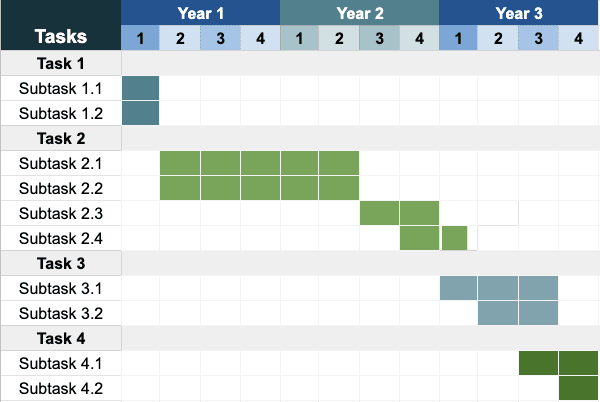
TASK 1 - Set Up
Task 1.1 - Internal set-up (Months 1-3)
- All parties involved to meet and identify goals and objectives.
Task 1.2 - External set-up (Months 1-3)
- Communication with NHS, Orchard OCD to establish plans for recruitment.
- Preparing promotional materials to recruit OCD patients via Orchard OCD and other consumer groups.
TASK 2 - Recruitment
Task 2.1 - Promotion of project (Months 4-18)
- Promotion via NHS referrals, recruitment from collaborators, Orchard OCD registry and other consumer groups.
Task 2.2 - Receiving application from patients (Months 4-18)
- Interested patients to apply online.
Task 2.3 - Screening of applicants (Months 19-23)
- Screening of 200 patients to seek 60 adults (aged 18-65) with over 12 months duration of OCD.
Task 2.4 - Finalising list of patients (Month 24-26)
- Finalised list of patients to be shortlisted for the study.
- Applicants to be informed of the outcome of their application.
TASK 3 - Follow Up
Task 3.1 - Delivery of HIE to patients (Months 27-31)
- Patients will undergo detailed BL assessment and allocation-concealed randomisation, in a ratio of 1:1, to HIE or relaxation (N=30 per group).
- HIE standardised in duration and intensity, delivered online as live or pre-recorded sessions x3 per week by a registered exercise professional.
Task 3.2 - Assessment of patients
- Patients will be assessed by raters blinded to treatment allocation, with outcomes compared between treatment arms at weeks 6, 12 (end of acute treatment) and 26 (study endpoint).
- Inflammatory markers between exercise and control arms and time dependent changes in the Y-BOCS and explanatory cytokine and IED scores will be considered using standard paired comparisons (t-test).
TASK 4 - Analysis
Task 4.1 - Summary of research findings (Months 32-35)
- Data from neurocognitive tests and inflammatory markers will be collated and analysed
- Drafting a scientific report detailing the outcomes of the project.
Task 4.2 - Dissemination (Month 36)
- Findings presented at international conferences, published in open-access journals and actively shared with stakeholders including OCD consumer groups, health professionals and policy makers.
Main role of participants:
- Professor Naomi A Fineberg will lead the PEA-POD pilot study. She will use her expertise in both translational (bench-bedside) investigation and clinical management of OCD to oversee the project. Naomi leads the NHS England, Highly Specialised Service for Obsessive Compulsive and Related Disorders (OCRDS) in developing and delivering psychopharmacological, psychological and somatic treatment for the most severely ill patients nationwide. Through her leadership roles in OCD research networks and as trustee and medical adviser to OCD consumer charities, she has developed strong research relationships with several participants of the HIE OCD PEA-POD study and has previously successfully conducted OCD studies and published joint findings together. She is well placed to lead and deliver this project and to disseminate findings for maximum impact among scientists and the public.
- Dr Lindsay Bottoms specialises in exercise and health physiology and heads the Research Centre for Psychology and Sport Science at the University of Hertfordshire. She has prior experience investigating high intensity and moderate intensity exercise in adults with Crohn’s disease, which was funded by Crohn’s and Colitis UK. Lindsay will help to design, manage and conduct this clinical research study, recruit participants and conduct the data collection and analysis.
- Dr David Stewart Baldwin will aid the study through his clinical and research experience by investigating the role of neurobiological and psychological factors in causing and maintaining illness; through improving trial design when evaluating efficacy and tolerability of treatment interventions; by assessing the effectiveness and acceptability of treatment interventions in wider clinical practice; through identifying more accurately those patient groups at particular risk of poor outcomes.
- Dr Samuel Robin Chamberlain has been involved in projects that involve large-scale population research (>300,000 participants) examining the effects of the Covid-19 pandemic and lockdown on mental health. His research and clinical background focuses on the neurobiology and treatment of impulsive, compulsive, and behaviourally-addictive symptoms and traits. In particular, this involves three main aims: (1) developing and validating clinical tools; (2) measuring cognitive problems and brain circuits that contribute (including vulnerability and chronicity markers); and (3) improving existing treatments and developing new ones.
- Dr David Wellsted has led the Health Research Methods Unit (part of the Centre for Health Services and Clinical Research) since 2007, and before that was an active member and lead advisor for the Hertfordshire Research and Development Support Group from 2004. He will aid the study by providing expertise in the design and delivery of clinical trials.
- Dr Ruihua Hou is an Associate Professor of Biological Psychiatry in the faculty of medicine at the university of Southampton. She will contribute to the study by uncovering how HIE promotes interactions between the central nervous system and the immune system, and how they contribute to neuropsychiatric function.
- Dr Charlotte Lawson will help with measuring inflammatory markers in the study due to her expertise in inflammation and intercellular communication. She will analyse the ways in which inflamed cells communicate via release of extracellular vesicles (EV) in HIE trained and control group OCD patients.
- Dr Lynne M Drummond is an Honorary Consultant Psychiatrist at the National Service for OCD and BDD based at South West London and St George's NHs Trust. She is also a visiting Professor in the Department of Life and Medical Sciences at the University of Hertfordshire. She specialises in OCD as well as Cognitive Behaviour Therapy and will help the study by performing neurocognitive tests for participants.
- Dr Nick Sireau co-founded the UK charity Orchard OCD in order to accelerate the development of research into new and better treatments for OCD. As a sufferer of OCD he will bring personal and professional experience to the project and enable close collaborations between academia, clinical settings and patients.
- Dr Luca Pellegrini is a Psychiatrist and Clinical Research Fellow with particular interest in Obsessive Compulsive and Related Disorders (OCRDs). He will use his expertise and skills gained through clinical practice, research activity and academic courses/training to help generate the initial study and future clinical trial. He will also use methodological and statistical skills for to analyse data and perform meta-analyses.
- Dr Oliver Fox has previously demonstrated the benefits of exercise on inflammation and immune cell function in older adults. He will help determine the effects on inflammation in both physical and mental health conditions.
Deliverables:
Clinical outcomes
- To determine the standard deviation (SD) of the outcome measures
- To inform sample size
- To duration of effect of HIE and to apply intervention efficiently
- To identify usefulness & limitations of specific inflammatory markers and neurocognitive tests to determine a definitive test battery
Feasibility outcomes
- To increase acceptability, tolerability and safety of HIE
- To improve feasibility of recruitment of participants
- To increase willingness of clinicians to recruit participants
- To apply HIE in a non-clinical setting
The ultimate goal is progression to a full trial, if the following criterias are met:
- Indication that the effect size for HIE versus placebo is >.2
- HIE and study assessments are acceptable to patients
- Clinicians are willing to recruit sufficient patients are willing to take part
Milestones:
- Completed set-up of study Month 3
- Application received from over 200 OCD patients Month 21
- Finalised list of 60 patients involved in study Month 27
- HIE delivered to patients Month 28
- Conclusion of HIE PEA-POD trial Month 30
- Assessment of patients Month 29,30,33
- Dissemination of research outcomes Month 36
Gantt chart
Financial projections
| Financial Projection | Year 1 | Year 2 | Year 3 | Total |
|---|---|---|---|---|
| Engagement | ||||
| Patient Recruitment | £10,000 | £10,000.00 | ||
| Research Engagement | £1,000 | £1,000 | £1,000 | £3,000.00 |
| Research | ||||
| Research consumables | £30,000 | £90,000 | £100,000 | £220,000.00 |
| Compensation for participants | £120,000 | £120,000.00 | ||
| Other | ||||
| Staff (e.g. personal trainers, cameraman etc.) | £5,000 | £5,000 | £10,000.00 | |
| Data storage servers | £500.00 | £500.00 | £500.00 | £1,500.00 |
| Literature/open-access publication fees | £2,000 | £2,000 | £10,000 | £14,000.00 |
| Travel expenses/Courier Services | £20,000 | £20,000 | £20,000 | £60,000.00 |
| Total | £68,500 | £118,500 | £251,500 | £438,500.00 |
Work Package 4: Open Treatment Accelerator Programme
Undertaking research in OCD can be challenging and requires additional support. There is a real lack of funding in this area and consequently a lack of treatments and an acute unmet patient need.
The Open Treatment Accelerator Programme ties in with Orchard’s Objective A, which is to develop a programme of individual interlinked preclinical and clinical studies aimed at furthering our understanding of OCD. These studies will investigate both the underlying pathophysiology of OCD and the efficacy of candidate treatments from a variety of perspectives. Orchard aims to maximise impact by ensuring complementarity between projects.
The Open Treatment Accelerator Programme aims to address Objective A by finding, reviewing, and funding hard-to-fund OCD research projects. Candidate projects will be judged by Orchard’s Scientific Advisory Board (SAB) according to predefined criteria. The SAB is comprised primarily of a group of scientists with diverse expertise in psychiatry, neuropsychopharmacology, and cognitive neuroscience, and is therefore well-placed to identify the most-cutting edge research with the highest probability of success. The best project will receive a grant of £120,000.
Past Experience
Orchard has a record of success in fundraising for promising OCD research projects:
- In 2020, Orchard raised over £120,000 through a combination of crowdfunding and charitable trust grants to fund research on psilocybin as a potential OCD treatment. The trial is now complete and is no longer recruiting participants.
Expected Outcomes
- Promising research projects will be identified, with the best project being funded. Due to the careful selection process, this is likely to translate to effective treatments for OCD patients.
- Increased general awareness of OCD research and potential future treatments.
- Increased momentum and discussion within the OCD research space.
Work plan
| Work package number | WP4 |
| Start Date or Starting Event | September 2022 |
| Work package title | Open Treatment Accelerator Programme |
Objectives:
- To encourage research on hard-to-fund OCD treatment.
- To crowdfund one of the best projects.
- To develop our understanding of the underpinning pathophysiology of OCD and of the efficacy of candidate treatments.
Description of work:
The programme will involve a global call of proposals every 18 months in order to find hard-to-fund projects. During each cycle, various research teams from around the world will pitch their research ideas and plans to Orchard. The Scientific Advisory Board of Orchard will be responsible for judging and finding the best project, based on the following criteria:
- Scientific validity: how strong is the science?
- Clinical opportunity: does the project have potential to get a treatment for OCD rapidly into the clinic?
- Team track record: how credible is the team implementing the project?
A grant of £120,000 will be awarded to the selected research team to continue their research or progress it to a higher level. For each grant, half of the total value of the grant will be crowdfunded and half will be provided by Orchard (£60,000 each).
The main tasks will be as follows:
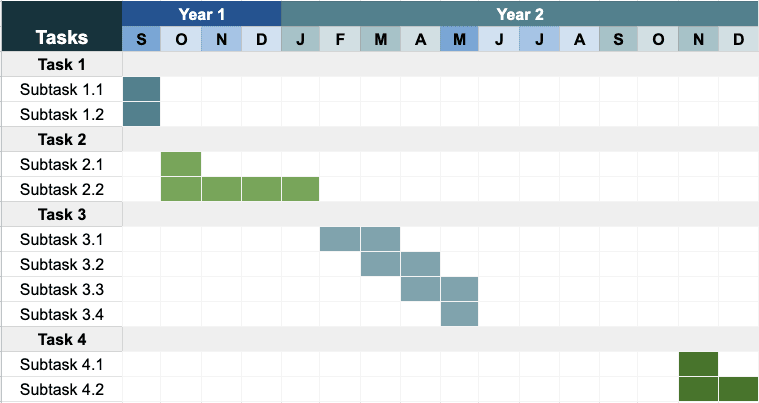
TASK 1 - Drafting call for proposals
Task 1.1 - Drafting call for proposals documents (Month 1, Weeks 1-2)
- Documents may include information on the application process, candidate requirements and timeline, and will be drafted by the Communications and Fundraising Officer.
Task 1.2 - Designing promotional material (Month 1, Weeks 3-4)
- Promotional material will be designed by outsourced graphic designers.
TASK 2 - Opening call for proposals
Task 2.1 - Distribution of promotional materials (Month 2)
- Materials will be distributed through direct email communication with research institutes, Orchard’s website, and social media.
Task 2.2 - Accepting proposal submissions from research teams (Months 2-5)
- The Communications and Fundraising Officer will be responsible for tracking and acknowledging receipt of all applications as well as fielding any queries from applicants. He/she will sort applications into a convenient format for the SAB to review.
TASK 3 - Review and judging
Task 3.1 - SAB junior members review all proposals and prepare shortlist (Months 6-7)
- Around one-third of applications will be shortlisted for the next round based on the aforementioned criteria. A brief report/summary to be produced for each shortlisted application for SAB senior members to review.
Task 3.2 - SAB senior members review shortlisted proposals and pick top three (Months 7-8)
- Senior members will review all shortlisted applications and reports from junior members to select the three best proposals.
Task 3.3 - Entire SAB select grant recipient from top three (Months 8-9)
- Entire SAB along with representatives from Orchard will meet to review the final three proposals and select the grant recipient.
Task 3.4 - Orchard announce final decision (Months 9)
- The grant recipient along with the two runners-up will be published on Orchard’s website and social media by the Communications and Fundraising Officer. All grant applicants will also be notified of the decision via email.
TASK 4 - Follow up
Task 4.1 - Orchard request a report and presentation from grant recipient six months after award of grant to keep track of research progress (Month 15, Weeks 1-2)
- The report and presentation should include the progress of the research since receiving the grant, any challenges or scientific difficulties encountered, and an estimation of the future research direction and developments.
Task 4.2 - Orchard issue research update (Month 15, Weeks 3-4)
- A brief research update accessible to a layman will be provided to Orchard by the grant recipient. This will be published on Orchard’s website and social media by the Communications and Fundraising Officer.
Main role of participants:
- The research teams will need to pitch their research ideas/projects to Orchard and its Scientific Advisory Board. They will be required to:
- Provide documentation and scientific reports on their past/current projects
- Meet with representatives from Orchard to discuss their research progress
Deliverables:
- To provide funding for the best research project, hopefully translating to effective treatments for OCD patients.
- To raise awareness on the topic of OCD research and treatment.
- To increase activity and drive in the OCD research space by providing a new funding opportunity.
Milestones:
- Key milestones described in detail above but listed briefly here for convenience:
- Task 1 - Drafting call for proposals. Month 1
- Task 2 - Opening call for proposals. Months 2-5
- Task 3 - Review and judging. Months 6-9
- Task 4 - Follow up. Month 15
- For the first three years, one grant will be awarded per year; for years 4 and 5, two grants will be awarded per year.
Gantt chart
Financial projections
Costs specific to Open Treatment Accelerator Programme:
| Financial Projection | Year 1 | Year 2 | Year 3 | Year 4 | Year 5 | Total |
|---|---|---|---|---|---|---|
| Staff/Admin | ||||||
| Communication Officer | £25,000 | £25,000 | £25,000 | £25,000 | £25,000 | £125,000 |
| Marketing | ||||||
| Design | £600 | £600 | £600 | £600 | £600 | £3,000 |
| Research | ||||||
| Research Funding | £120,000 | £120,000 | £120,000 | £240,000 | £240,000 | £840,000 |
| Total | £145,600 | £145,600 | £145,600 | £265,600 | £265,600 | £968,000 |
Work Package 5: Smartphone app to improve cognitive flexibility and reduce contamination fears in OCD
Treatment options for OCD are limited. The most common interventions include selective serotonin reuptake inhibitors (SSRI), designed for other mental disorders, and cognitive behavioural therapy (CBT). However, SSRI’s are often associated with side-effects and as many as 40% of OCD patients do not respond to CBT. Moreover, these treatments are often costly and labour intensive. Innovative technology-based therapies have the potential to transform OCD treatment. We aim to test the use of a smartphone-based app, tailored to the individual, to improve contamination fears and excessive washing behaviours. The app has previously been successfully used in individuals with contamination fears but without an OCD diagnosis.
Work plan
| Work package number | WP5 |
| Start Date or Starting Event | September 2022 |
| Work package title | Smartphone app to improve cognitive flexibility and reduce contamination fears in OCD |
Objectives:
- To determine the efficacy of a smartphone-based app at alleviating OCD symptoms, contamination fears and enhancing mood.
- To test whether smartphone interventions are able to improve cognitive flexibility.
- To create an easily accessible smartphone app with the potential to be rapidly introduced into clinical practice.
Description of work:
Participants will be randomised into one of three conditions: the washing condition (smartphone intervention I), contamination condition (smartphone intervention II), or the control (hand-movement) condition. Participants in the three groups will be actively matched for age, gender, years of education and level of contamination fear. Participants will be asked to watch a video recording of themselves four times a day for the duration of three weeks. In the smartphone intervention I, participants will watch themselves engaging in hand washing (N=50); smartphone intervention II participants will watch themselves repeatedly touching a disgust-inducing object (N=50); and the control condition (N=50) will require participants to watch themselves performing sequential hand movements.
Before and after the interventions, participants will be asked to complete five questionnaires assessing contamination fears, OCD symptomatology and mood. The post-intervention will be collected via web-based testing.
Before and after the intervention, participants will be asked to complete two neuropsychological tests assessing cognitive flexibility. The post-intervention will be collected via web-based testing.
The main tasks will be as follows:
TASK 1 - Preparation for the app
Task 1.1 - App development and review (Months 1-2)
- App development is led by Thomas Piercy, in cooperation with the project team.
- Videos, questionnaires and app interface are prepared.
- Review by other relevant scientists and participants.
- Possibly, a feedback questionnaire sent to a small number of participants about ease of use and practical/technical issues.
TASK 2 - Patients Recruitment
Task 2.1 - Identification and recruitment of suitable participants (Months 3-10)
- Recruitment criteria: aged 18 to 60, confirmed primary diagnosis of OCD and elevated levels of contamination fears, as defined by a minimum score of 10 on the Padua Inventory Contamination Fear Subscale.
- Recruitment from the local community via online forums, charity websites, flyers, newspaper adverts, mailing lists and volunteer databases.
- Recruitment via Orchard patient registry.
TASK 3 - Conduction of Trial (over a maximum of 6 months if necessary)
Task 3.1 - Pre-Intervention Questionnaires & Neuropsychological Tests (Months 5-8)
- Introduction, pre-intervention questionnaires and neuropsychological tests will be conducted on dedicated testing sites.
- Participants are grouped depending on their time availability and time of signing up for the trial.
Task 3.2 - App Usage (3 weeks per participants, with a total duration of up to 4 months if necessary) (Months 6-9)
- Technical support via email and messaging function in app for any technical queries.
- To prevent participants from discontinuing the trial, reminder emails or app notifications may be used.
- If they choose to withdraw participation from the study, participants may contact the project team at any time.
Task 3.3 - Post-Intervention Questionnaires & Neuropsychological Tests (Months 7-10)
- Upon completing the 3 weeks, participants complete the questionnaires and neuropsychological tests online.
- Technical assistance is provided if necessary.
- Should these or any other issues prevent completion, specific participants may be allowed to repeat the questionnaires and tests.
Task 3.4 - Participant Feedback Survey (Months 7-10)
- An online anonymous feedback form is sent to all participants: feedback on the app (ease of use and design of interface), emotional reactions, perceived outcomes of the trials
TASK 4 - Analysis and presentation
Task 4.1 - Analysis & Interpretation (Months 11-14)
- Results from the trial are analysed and interpreted by the postdoctoral research associate and the primary investigator.
Task 4.2 - Publishing and Presentations (Month 15)
- Results are published in a relevant journal.
- Presentations may be given in Orchard conferences, as well as in external scientific conferences and OCD patient talks.
TASK 5 - Outlook
Task 5.1 - Meetings to discuss the future outlook of the results (Month 16)
- Potential topics to be discussed:
- Reflection on the trial and the effectiveness of the app
- Further research trials necessary
- Further app development and adjustment, based on participants feedback and consulting with experts
- Any partners/scientists/investors to reach out to for collaboration/expansion
- Strategies to reach out to patients and introduce the app into clinical practice
Main role of participants:
- Professor Barbara J. Sahakian (Primary Investigator): oversees the research associate (substantial performance history)
- Thomas Piercy (Programmer): dedicated programmer and technology expert, with an extensive track record in this domain. Responsible for smartphone app development
- Psychiatrist (Medical Advisor)
- Dr Christelle Langley (Postdoctoral Research Associate): oversees the study, collect and analyse the data
Deliverables:
- To generate results on the effectiveness of the app on alleviating OCD symptoms, contamination fears and enhancing mood.
- To generate results on the effectiveness of the app on improving cognitive flexibility.
- To collect feedbacks from the participants on app interface and videos for improved app experience
Milestones:
- App is fully developed. Months 1-2
- Patients are recruited and screened for suitability. Months 3-10
- Pre-intervention surveys and questionnaires are administered and data is collected. Months 5-8
- Participants complete the 3 week smartphone app individualised therapy and app usage is monitored. Months 6-9
- Post-intervention surveys and questionnaires are administered and data is collected. Months 7-10
- Overall collation of data, data analysis and interpretation. Months 11-14
- Results are written up, published and presented. Month 15
- Future plans are discussed and organised. Month 16
Gantt chart
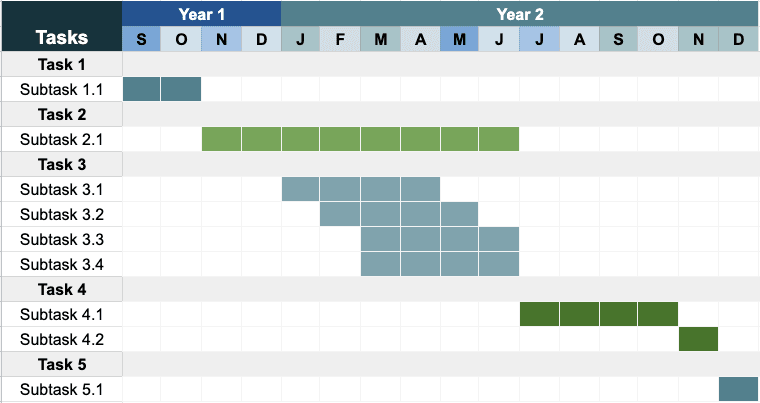
Financial projections (for 16 months)
| Financial Projections | Costs for 16 Months |
|---|---|
| Salaries | |
| Postdoctoral salary | £48,860.25 |
| Research | |
| Participant Remuneration | £3,000 |
| Web-Based Testing | £1,000 |
| App Development Related Costs | £1,626 |
| Others | |
| Equipment * | £1,000 |
| Travel (Participant and Research Team) | £5,000 |
| Total | £60,486.25 |
* Purchasing of a small number of equipment to ensure participants are not excluded based on the technology they own. These devices will be returned to the research team upon completion of the study and will only be able to host the app and will have no other functionality.
Work Package 6: OCD Patient Registry
High quality data from long-term clinical trials is essential for developing new treatments for OCD because of the limited use of animal models in testing psychotherapies and the lack of complex OCD correlates between humans and lab animals.
This task is complicated by the heterogeneity of OCD symptoms. The different manifestations of OCD from excessive cleanliness to intrusive thoughts may have different treatment outcomes. For example, high dose SSRIs show lower success rates as a result of different manifestations of OCD.
The aim of the OCD patient registry is to Facilitate research into OCD by decreasing effort and time spent recruiting patients for trials and to gather more systematic data and a pool of more committed volunteers which may improve long-term trial outcomes. In addition, patients feel part of a community by having the opportunity to contribute to research and therefore to aid the development of new knowledge and new treatment for OCD
Work plan
| Work package number | WP6 |
| Start Date or Starting Event | September 2022 |
| Work package title | International Patient Registry |
| Head | Oversees programme, coordinates logistics, leads annual meetings of the consortium |
| Registry Steering Committee | Committee that mediates access of studies to the database |
| Communications Lead | Lists of current studies with participant characteristics and study team contact details will be made available. Registrants will be contacted as a reminder to update their details |
| Clinical Trials Support Network | Provide access to facilities and infrastructure required to produce and maintain the database for the registry |
Participating Partners
| Confirmed Partners |
|
| Potential Partners |
|
Objectives:
- To set up an OCD patient registry designed to facilitate clinical trials for OCD therapeutics (Task 1)
- To mediate access between study teams and patients (Task 2)
- To maintain the database and ensure that patients’ details are up-to-date (Task 3)
Description of work:
We will set up an OCD patient registry with the database created by CTSN. Participants will enter details relevant to their medical status and condition, and regular communication with the patients will ensure that details will be kept current and relevant. Studies that wish to access the registry will do so through the registry steering committee and will submit details of participants required and study timelines. If approved, study details will be provided to relevant participants. Patients will also have access to a list of current studies with participant requirements. Maintenance will be provided by the CTSN on a yearly contract basis.
TASK 1 - Creating an OCD patient registry
Task 1.1 - Gauge interest in patient registry (Month 1)
Orchard will gauge interest in a patient registry from stakeholders to ensure that a patient registry is an effective solution to the problems of clinical trial recruitment. Orchard will contact patients to ensure that there is sufficient demand for a registry and hence increase uptake by asking if patients like the idea, see the benefits and would be likely to sign up. Orchard will contact the teams of current, past and future studies to determine if a registry is beneficial from a scientists’ points of view, and whether teams would be willing to recruit study participants through a registry. If sufficient interest is found, Orchard can proceed with task 1.2.
Task 1.2 - Pilot model created and tested with limited pool of patients (Months 2-4)
CTSN will create a pilot model of the database, where patients can enter the following details: registry ID (generated by database), demographic information, clinical status at registration, nature of diagnosis, time of diagnosis, time of first symptoms, current treatment, availability, contact details. The pilot model will be disseminated to a limited number of patients which fit the criteria for a certain OCD trial about to take place, and that OCD study will be invited to contact the patients through the database.
Task 1.3 - Pilot model improved and patient registry is publicised (Month 5-7)
If the pilot model is deemed sufficiently suitable, the registry can be given the green light. Feedback is gathered from patients and the study team is gathered and improvements to the database are made on the basis of this feedback. After the database is improved, Orchard publicises the new registry by contacting patients and scientific teams. This is done by leveraging the wide networks of the journalists and scientists on Orchard’s team.
TASK 2 - Mediate access between study teams and patients
Task 2.1 - Selection of the Registry Steering Committee (Months 8-9)
The registry steering committee is selected and assembled. The committee members must be able to evaluate clinical trials and hence will be selected for their experience with OCD clinical trials.
Task 2.2 - Registry Steering Committee allow select studies access to the database (continuous, Months 10-48)
After the database has been set up, Orchard can continue to contact studies that may be interested in using the registry but eventually the registry will be sufficiently well-known that studies wishing to use the database will contact the Registry Steering Committee. Study teams will submit a request for support identifying the characteristics of the patients required for a study, the study aims and timelines. If the request is supported, the registry would provide study details directly to the relevant registrants via their chosen communication method. The registrants can then choose whether to contact the study team for further information about the study.
TASK 3 - Database maintenance
Task - 3.1 - Robustness and user testing throughout the process (continuous, Months 10-48)
The CTSN will be employed on a yearly contract basis to ensure the robustness and the integrity of the database. This will include continuously evaluating the security of the database and including the required security defences to prevent the leak of patient details. Any technical problems with using the database will be monitored and solved by the CTSN and patients will be contacted regarding their experience of using the database.
Task - 3.2 Regular communication with registry patients (Months 16-48)
In order to fulfill the important aim of involving patients in OCD research and fulfilling their desires to contribute to research and to the OCD community, a list of trials and their criteria will be made widely available. Registrants will be regularly contacted to remind them to update their statuses and preferences.
Deliverables:
- To gauge interest in a registry from stakeholders, patients and scientists. Months 1-2
- To make pilot model created by CTSN with a limited pool of patients and publicises the registry through awareness raising campaigns Months 2-7
- To make the registry open to study teams to access the services of the OCD registry (supported by Registry Steering Committee) Month 8
- To provide ongoing maintenance on a yearly contract with CTSN Months 8-60
- To make patients feel more involved in OCD research (assessed via a survey each year) Months 8-60
Milestones
- Orchard will create a pilot model with CTSN and will test the model with a limited pool of patients Months 1-7
- Registry Steering Committee will be selected Month 8
- Registry will be open to study teams to access the services of the OCD registry. Months 7-12
Gantt Chart
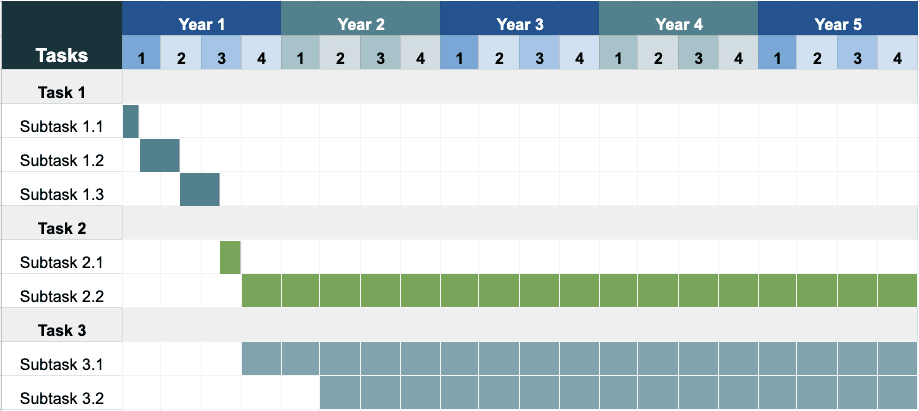
Financial projections
| Financial Projection | Year 1 | Year 2 | Year 3 | Year 4 | Year 5 | Total |
|---|---|---|---|---|---|---|
| Project Team | ||||||
| Staff | £20,000 | £20,000 | £20,000 | £20,000 | £20,000 | £100,000 |
| IT (collaboration with CTSN) | £10,000 | £10,000 | £10,000 | £10,000 | £10,000 | £50,000 |
| Project Engagement | ||||||
| Kick-off meeting | £2,000 | £2,000 | ||||
| Public engagement | £3,000 | £2,000 | £2,000 | £2,000 | £2,000 | £10,000 |
| Project Monitoring | ||||||
| Website maintenance | £1,000 | £2,000 | £2,000 | £2,000 | £2,000 | £9,000 |
| Annual assessment | £2,000 | £3,000 | £3,000 | £3,000 | £3,000 | £14,000 |
| Others | ||||||
| Travel expenses | £2,000 | £3,000 | £3,000 | £3,000 | £3,000 | £15,000 |
| Total | £40,000 | £40,000 | £40,000 | £40,000 | £40,000 | £200,000 |
Work Package 7: Proposal for a Randomised Double-blind Placebo-controlled study of Tolcapone for OCD
Current first-line treatments for obsessive-compulsive disorder (OCD) include cognitive behavioral therapy using exposure and response prevention, or serotonin reuptake inhibitors (SRIs) (Skapinakis et al., 2016). While helpful for many, not everyone can tolerate these interventions (e.g. SRIs often have intolerable sexual side effects), or find trained therapists, and up to 35% of people do not experience adequate symptom relief (Grant, 2014). Other pharmacological agents are therefore needed.
Tolcapone, a catechol-O-methyl-transferase (COMT) inhibitor, is used in some countries (including the UK and USA) as an add-on agent for the management of Parkinson’s Disease. The enzyme COMT serves to break down free dopamine in the prefrontal cortex; by blocking this enzyme, tolcapone enhances dopamine signaling in the cortex. In the frontal cortex, optimal dopamine modulation of prefrontal cortical networks is necessary for a variety of cognitive functions, including planning, inhibition, attention, and response flexibility (Tunbridge et al., 2004). Importantly, dysfunction of many of these cognitive domains has been implicated in OCD (Chamberlain et al., 2005).
We recently conducted a proof of concept pilot study using tolcapone in patients with OCD using a double-blind, cross-over two-week design (Grant et al., 2021). Two weeks of tolcapone was associated with significant improvement in OCD versus two weeks of placebo (t=2.194, p=0.0409). The mean percentage decreases in total symptom severity scores for the entire sample over the corresponding two-week periods were 16.4% for tolcapone and 3.6% for placebo. These data strongly support the need for formal treatment trial of appropriate sample size and duration to characterize the efficacy of tolcapone in OCD.
SIGNIFICANCE
Current pharmacological treatment of OCD relies on the use of an SRI which is then augmented when ineffective. SRIs are often not tolerated by people with OCD due to side effects, or are ineffective. We propose testing a novel pharmacological approach, independent of SRIs, which has the potential to broaden our intervention options for OCD. We also explore whether this novel pharmacological approach can help with cognitive problems people with OCD often experience, and whether this relates to therapeutic response. Existing first-line treatments do not ameliorate the cognitive difficulties associated with OCD, yet these problems can impede quality of life and everyday functioning.
Work plan
| Work package number | WP7 |
| Start Date or Starting Event | September 2022 |
| Project Title | Double-blind Randomised Placebo-controlled study of Tolcapone for OCD |
| Investigators: Professor Sam Chamberlain, Professor David Baldwin, Professor Jon Grant | Oversee programme, coordinate logistics, design and conduct the trial, publication and dissemination of findings. |
| Confirmed Partners |
|
Objectives:
Based on the mechanism of action and our previous pilot data, the primary aim of the present study is to examine the efficacy and safety of 12-week treatment with tolcapone vs. placebo in adults with moderate to severe OCD, as indicated by a score of at least 21 on the Yale Brown Obsessive Compulsive Scale (YBOCS), a scale of illness severity, at the baseline visit. We hypothesize that tolcapone will significantly improve symptoms of OCD compared to placebo.
A secondary aim of the proposed study is to examine the cognitive effects of tolcapone in OCD, by conducting objective neuropsychological tasks pre- and post-pharmacological trial. The rationale for this approach is that: dopamine plays a key role in cognition; cognitive effects of tolcapone are likely to be relevant in explaining symptomatic effects; and cognitive dysfunction constitutes an important treatment target in OCD that is not generally ameliorated by current first-line interventions. We hypothesize that any symptomatic benefit with tolcapone would also be associated with improvement in executive functions including cognitive flexibility. Another secondary aim of the proposed study is to evaluate whether the single nucleotide polymorphism (SNP) Val-158-Met polymorphism significantly relates to changes in symptoms and cognition observed with tolcapone. Prior data indicate cognitive effects of tolcapone are affected by this SNP. We hypothesize that the val/val COMT variant will be associated with significantly higher tolcapone-related improvements in cognition and symptoms, since this is linked to lower cortical dopamine function.
Description of work:
TASK 1 - Preparation
Task 1.1 - Finalise the study protocol and submit it for regulatory approval (Month 1-6)
We will contact experts and patients for their views on the study to finalise the study protocol. This will then be submitted for pre-registration and for regulatory (including ethics) approvals.
TASK 2 - Recruitment and data collection
Task 2.1 - Patient recruitment (Month 6-18)
100 individuals with OCD will be recruited for a parallel, double-blind, randomised placebo-controlled study in which tolcapone or placebo is administered in a 1:1 fashion. All 100 participants will have current OCD per DSM-5 criteria. Half will be recruited from each research site (~50 from University of Southampton, ~50 from University of Chicago).
Task 2.2 - Outpatient recruitment (Month 6-18)
100 male and female outpatients aged 18-65 with a current primary diagnosis of OCD will be enrolled. Inclusion criteria: 1) Men and women age 18-65; 2) Primary diagnosis of OCD; 3) YBOCS score of at least 21 at baseline (moderate or higher severity); 4) Ability to understand and sign the consent form. Exclusion criteria: 1) Unstable medical illness; 2) Current pregnancy or lactation, or inadequate contraception in women of childbearing potential; 3) Subjects considered an immediate suicide risk; 4) History of psychosis or bipolar disorder based on DSM-5 criteria; 5) Alcohol/substance use disorder and/or illegal substance use based on urine toxicology; 6) Initiation of psychological interventions within 3 months of screening (those who are continuing with CBT will be included); 7) Use of any new psychotropic medication within 3 months of study entry (stable doses of psychotropics will be allowed); 8) Major cognitive impairment that interferes with the capacity to understand and self-administer medication or provide written informed consent; 9) abnormal liver function tests at baseline; 10) MADRS >30 at baseline.
Task 2.3 - Treatment and assessment (Month 18-30)
Following baseline measures, subjects will receive tolcapone (initially 100mg twice per day) or inactive placebo. Dose will be increased, if tolerated, from 100mg twice daily to 200mg twice daily at week 6. Participants will be seen every 2 weeks during the 12-week period. At week 12, subjects will start a 1-week taper off the medication. Efficacy and safety measures will be performed at each visit.
Assessments at each visit: Those subjects who appear appropriate for the study, based on telephone screening, will be invited for a baseline assessment. The duration of the baseline assessment will be last between 90-120 minutes and will include the following: Informed consent, Demographic data, Concomitant medications, Family history data, Medical evaluation including physical examination, weight, and vital signs, Urine pregnancy test and urine drug screen, and a psychiatric evaluation (using the MINI International Neuropsychiatric Interview); Depressive symptoms will be rated with the Montgomery-Asberg Depression Rating Scale (MADRS); Anxiety symptoms will be assessed using the Hamilton Anxiety Rating Scale; Psychosocial functioning will be evaluated using the Sheehan Disability Scale; Quality of Life Inventory; and the Columbia Suicide Severity Rating Scale (C-SSRS)). The COMT polymorphism will be quantified using a convenient saliva sample collected from participants during the study.
The primary outcome measure will be the change from baseline using the YBOCS. Cognitive Assessments will be performed as secondary outcomes: Participants will undergo cognitive assessments at baseline and at study endpoint. Assessments of executive functions shall be comprised of several extensively validated paradigms. The choice of cognitive challenges was based on the clinical features of OCD, knowledge from animal and human literature regarding the likely role of the prefrontal dopamine system in cognition, and previous research (including meta-analysis) has found that individuals with OCD often exhibit significant deficits of executive functioning and cognitive flexibility (Bora, 2020; Chamberlain et al., 2021). The order of the tasks will be fixed and participants will complete the tasks at first visit (baseline) and endpoint.
The study will monitor for adverse events and undertake reporting of serious adverse events per standard procedures. Liver function tests (LFTs) shall be measured at baseline, and after 6- and 12-weeks of treatment.
TASK 3 - Data analysis and publication
Task 3.1 - Analysis of findings using statistical methodology (Month 30-33)
Data analysis will involve all visits during the 12-week double-blind treatment phase (up until week 12). Data from the tapering phase (weeks 12-13), although collected, will not be included for purposes of the primary goal of this study. All enrolled participants will be included in the analyses of baseline demographics and safety according to an intent-to-treat (ITT) principle. For statistical analysis, the full-analysis set will be defined as all participants who took at least 1 dose of the study drug and had at least 1 post-baseline primary efficacy assessment. The safety-analysis set will be defined as all randomised participants who took at least 1 dose of the study drug and completed at least 1 follow-up safety assessment. The statistical model will be a rigorous linear mixed-effects regression model (LME) that includes terms for treatment group, time, and treatment-by-time interaction. The analyses will run using the nlme package on R for Windows. Literature suggests LME without imputation may provide more accurate and stable results than LME models using fixed and multiple imputation methods for handling missing data. All tests of hypotheses will be performed using a two-sided significance level of 0.05.
The sample size was calculated for the primary endpoint (YBOCS) of change from baseline. Assuming a similar magnitude of effect seen in other studies of medications for OCD, and assuming a 20% attrition rate, it was determined that 50 participants would be needed in each treatment group at entry (resulting in 40 completers in each arm) to detect a difference with an overall 5% type-I error risk. Given the low rates of adverse events expected with tolcapone (Grant et al., 2021), we anticipate few drop-outs from the study and therefore a smaller sample is needed as compared some other classes of pharmacological treatment.
Task 3.2 - Write up and publication (Month 33-36)
We will write up all the findings from the data analysis and submit them for publication. We will disseminate the findings through clinical networks and international symposia.
References
Bora E. Meta-analysis of neurocognitive deficits in unaffected relatives of obsessive-compulsive disorder (OCD): comparison with healthy controls and patients with OCD. Psychol Med. 2020 Jun;50(8):1257-1266. doi: 10.1017/S0033291720001634. Epub 2020 Jun 1. PMID: 32476632.
Chamberlain SR, Blackwell AD, Fineberg NA, Robbins TW, Sahakian BJ. (2005). The neuropsychology of obsessive compulsive disorder: the importance of failures in cognitive and behavioural inhibition as candidate endophenotypic markers. Neurosci Biobehav Rev. 29(3):399-419. doi: 10.1016/j.neubiorev.2004.11.006. PMID: 15820546.
Chamberlain SR, Solly JE, Hook RW, Vaghi MM, Robbins TW. Cognitive Inflexibility in OCD and Related Disorders. Curr Top Behav Neurosci. 2021;49:125-145. doi: 10.1007/7854_2020_198. PMID: 33547598.
Grant JE (2014). Obsessive-Compulsive Disorder. N Engl J Med. 371(7):646-53.
Grant JE, Hook R, Valle S, Chesivoir E, Chamberlain SR (2021). Tolcapone in Obsessive Compulsive disorder: A Randomized Double-Blind Placebo-Controlled Crossover Trial. In Clin Psychopharmacol
Skapinakis P, Papatheodorou T, Mavreas V (2007). Antipsychotic augmentation of serotonergic antidepressants in treatment-resistant obsessive-compulsive disorder: a meta-analysis of the randomized controlled trials. Eur Neuropsychopharmacol. 17(2):79-93.
Tunbridge EM, Bannerman DM, Sharp T, Harrison PJ. (2004). Catechol-o-methyltransferase inhibition improves set-shifting performance and elevates stimulated dopamine release in the rat prefrontal cortex. J Neurosci. 24(23):5331-5. doi: 10.1523/JNEUROSCI.1124-04.2004. PMID: 15190105; PMCID: PMC6729311.
Grant JE, Hook R, Valle S, Chesivoir E, Chamberlain SR. Tolcapone in obsessive-compulsive disorder: a randomized double-blind placebo-controlled crossover trial. Int Clin Psychopharmacol. 2021 Sep 1;36(5):225-229. doi: 10.1097/YIC.0000000000000368. PMID: 34310432; PMCID: PMC7611531.
Deliverables:
- Finalise the study protocol and pre-register the study (D1)
- Complete data collection for the clinical trial (D2)
- Undertake data analysis (D3)
- Submit findings for peer-reviewed publication(s) (D4)
Milestones
- We will write and finalise the study protocol taking into account expert and patient views. This will then be submitted for pre-registration and for regulatory (including ethics) approvals. Months 1-6
- We will commence participant recruitment and data collection following approvals. Months 6-30.
- We will complete data collection, and analyse findings using rigorous statistical methodology. Months 30-33
- We will write up findings and submit them for publication. Months 33-36
- We will disseminate the findings through clinical networks and international symposia. Months 33-36 (and after completion)
Gannt Chart
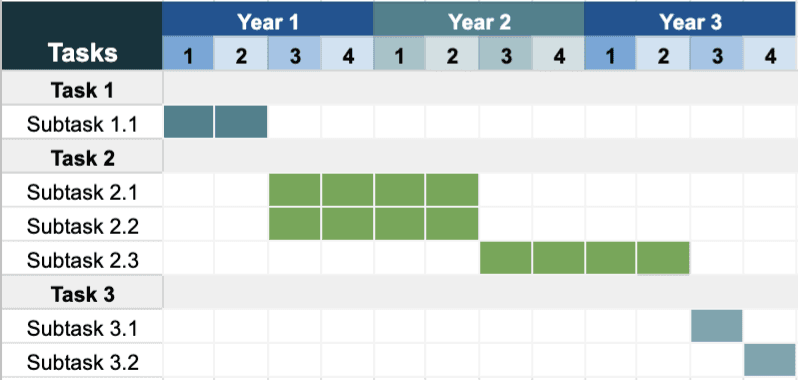
Financial projections
Costs will be divided between the two study sites as appropriate. Estimated costs are shown in GBP. Subject to confirmation of potential funding interest, formal costings shall be generated and provided from host institutions.
| Financial Projection | Year 1 | Year 2 | Year 3 | Total |
|---|---|---|---|---|
| Project Team | ||||
| Staff (admin, clinical trial coordinator, research assistant, contribution towards investigator time) | £175,000 | £175,000 | £175,000 | £525,000 |
| Project Engagement | ||||
| Public and Patient engagement | £2,000 | £2,000 | £2,000 | £6,000 |
| Recruitment and data collection | ||||
| Study advertisements | £4,000 | £4,000 | £3,000 | £11,000 |
| Participant payments | £15,000 | £15,000 | £15,000 | £45,000 |
| Others | ||||
| Travel expenses, site co-ordination visits, and dissemination activities | £12,000 | £12,000 | £12,000 | £36,000 |
| Medication production and blinding | £30,000 | £30,000 | £30,000 | £90,000 |
| Consumables, including objective neurocognitive tasks | £20,000 | £20,000 | £20,000 | £30,000 |
| Total | £743,000 |
Reference
- Stein DJ, Costa DLC, Lochner C, et al. Obsessive-compulsive disorder. Nat Rev Dis Primers. 2019;5(1):52. Published 2019 Aug 1. doi:10.1038/s41572-019-0102-3
- Bobes J, Gonzalez MP, Bascaran MT, Arango C, Saiz PA, Bousono M. (2001). Quality of life and disability in patients with obsessive-compulsive disorder. Eur Psychiatry 2001;16:239-45.
- Heyman, I et al. “Prevalence of obsessive-compulsive disorder in the British nationwide survey of child mental health.” International review of psychiatry (Abingdon, England) vol. 15,1-2 (2003): 178-84. doi:10.1080/0954026021000046146
- Nicolini H, Salin-Pascual R, Cabrera B, Lanzagorta N. Influence of Culture in Obsessive-compulsive Disorder and Its Treatment. Curr Psychiatry Rev. 2017;13(4):285-292. doi:10.2174/2211556007666180115105935
- Okasha A, Saad A, Khalil AH, el Dawla AS, Yehia N / Compr Psychiatry. 1994 May-Jun; 35(3):191-7., Fontenelle LF, Mendlowicz MV, Marques C, Versiani MJ Psychiatr Res. 2004 Jul-Aug; 38(4):403-11.
- http://ocduk.org/
- Alvarenga, Victoria Fogaça Doretto, Afonso Mazine Tiago Fumo, Marcelo C. Batistuzzo, Pedro Macul Ferreira de Barros, Kiara R. Timpano, Vanessa K. Ota, Luis Augusto Rohde, Euripedes Constantino Miguel, James F. Leckman, André Zugman Front Psychiatry. 2021; 12: 673595. Published online 2021 Jun 7. doi: 10.3389/fpsyt.2021.673595
- Eisen JL, Mancebo MA, Pinto A, Coles ME, Pagano ME, Stout R, Rasmussen SA Compr Psychiatry. 2006 Jul-Aug; 47(4):270-5.)
- Skapinakis P, Caldwell D, Hollingworth W, Bryden P, Fineberg N, Salkovskis P, et al. A systematic review of the clinical effectiveness and cost-effectiveness of pharmacological and psychological interventions for the management of obsessive-compulsive disorder in children/adolescents andadults. Health Technol Assess 2016;20(43).
- Saxena, S., Bota, R.G., Brody, A.L., (2001). Brain–behavior relationships in obsessive– compulsive disorder. Semin. Clin. Neuropsychiatry 6 (2), 82–101.
- Atmaca, M. (015). Treatment-refractory obsessive compulsive disorder. Progress in Neuro-Psychopharmacology and Biological Psychiatry 2016 Oct 3;70:127–33.
- Ahmari SE, Dougherty DD. DISSECTING OCD CIRCUITS: FROM ANIMAL MODELS TO TARGETED TREATMENTS. Depress Anxiety. 2015;32(8):550-562. doi:10.1002/da.22367
- Lusicic A, Schruers KR, Pallanti S, Castle DJ. Transcranial magnetic stimulation in the treatment of obsessive-compulsive disorder: current perspectives. Neuropsychiatr Dis Treat. 2018;14:1721-1736. Published 2018 Jun 29. doi:10.2147/NDT.S121140
- https://www.advancedinterventions.org.uk/index.php/en/the-service/blog/how-long-does-someone-with-ocd-have-symptoms-before-getting-help.html
- Nestadt G, Grados M, Samuels JF. Genetics of obsessive-compulsive disorder. Psychiatr Clin North Am. 2010;33(1):141-158. doi:10.1016/j.psc.2009.11.001
- Adams TG, Kelmendi B, Brake CA, Gruner P, Badour CL, Pittenger C. The role of stress in the pathogenesis and maintenance of obsessive-compulsive disorder. Chronic Stress (Thousand Oaks).
- Vogel L. Growing consensus on link between strep and obsessive-compulsive disorder. CMAJ. 2018;190(3):E86-E87. doi:10.1503/cmaj.109-5545
- Alonso P, López-Solà C, Real E, Segalàs C, Menchón JM. Animal models of obsessive-compulsive disorder: utility and limitations. Neuropsychiatr Dis Treat. 2015;11:1939-1955. Published 2015 Aug 4. doi:10.2147/NDT.S62785
Patient priorities
In 2021, Orchard OCD worked with the Cambridge Consulting Network to carry out an insight gathering exercise to find out what research is important for OCD patients. More than 220 patients responded to the survey and in-depth interviews were carried out with nine of these. (The full report is available on request). Their responses correspond well to the research questions being asked by scientists and clinicians and will form the basis of our research approach.
Survey questions included:
- How has OCD impacted your life?
- Have you accessed any treatments and have they been effective?
- What problems have you faced with your treatments?
- What do you think would be the most important areas to research for OCD? Why?
- What is the most important out of the list of issues you gave?
- What has motivated you to decide this issue(s) in your response were the most important to raise?
The majority of the participants of the survey (66%) had questions regarding the treatment of OCD, summarised as follows: What is the best treatment for OCD?
The second most common subcategory of questions within the theme of treatment of OCD was about recovery from OCD and whether OCD could be cured, deeply intertwined with the theme of the prognosis of OCD. Examples of questions within this subcategory include:
- Is there a way to make OCD go away forever?
- Will I ever be fully okay again?
- What does recovery look like?
Pathology:
More than half (~64.5%) of the respondents expressed concerns around the pathological nature of OCD, which could be sub-categorised into concerns around the causes of OCD, comorbidity of OCD, diagnosis and methods of prevention available. The general representations of this type of concern are:
- Does OCD present from a genetic component, environmental or both?
- How likely is it that your kid will have OCD if you have it?
- What is the main difference in brain structure of people with OCD versus people without?
The second subcategory is about the diagnosis:
- How well does the diagnostic label of OCD fit the broad range of symptoms?
- Does OCD as we know it encompass a spectrum of disorders or has lack of understanding led to an umbrella term for multiple discrete conditions?
- How can people with very specific or rare intrusive thoughts be categorised as OCD and not some other disorder?
- How and why does it appear? Why are there so many subtypes that switch all the time?
Prognosis:
16% of the respondents expressed concerns around prognosis, including whether the symptoms will improve or worsen, and how OCD relates to age and periods of life:
- Why does OCD tend to ebb and flow, or come out in full force in other times?
- Does puberty relate to the onset of OCD?
- Why doesn’t treatment work long-term?
- Why is my OCD getting much worse the older I get?
Social aspects
30% of the respondents expressed concerns around social aspects, including:
- How can we develop better coping strategies for families and relatives of those with OCD?
- What is the best way to raise awareness?
- Why isn’t OCD recognised in schools?
- Why are children with OCD not given the same help as other disorders?
- Why is OCD portrayed so inaccurately in the media?
- How can we change public perception?
Financial projections
| Financial Projection | Year 1 | Year 2 | Year 3 | Year 4 | Year 5 | Total |
|---|---|---|---|---|---|---|
| WP1: Consortium Programme | Total (WP1) | |||||
| Engagement | ||||||
| Kick-off workshop | £10,000 | £10,000 | ||||
| Annual Symposium | £30,000 | £30,000 | £30,000 | £30,000 | £30,000 | £150,000 |
| Secretary/Engagement manager | £25,000 | £25,000 | £25,000 | £25,000 | £25,000 | £125,000 |
| Other | ||||||
| Data storage servers | £500.00 | £500.00 | £500.00 | £500.00 | £500.00 | £2,500.00 |
| Literature/open-access publication fees | £8,000 | £8,000 | £8,000 | £8,000 | £8,000 | £40,000 |
| Travel expenses | £20,000 | £20,000 | £20,000 | £20,000 | £20,000 | £100,000 |
| Total | £93,500 | £83,500 | £83,500 | £83,500 | £83,500 | £427,500 |
| WP2: Neurobehavourial Basis of OCD | Total (WP2) | |||||
| Salaries | ||||||
| Senior Research Associate, full-time | £65,458 | £65,458 | £65,458 | £196,374 | ||
| Technician, full-time | £49,232 | £49,232 | £49,232 | £147,696 | ||
| Research Associate, full-time | £55,207 | £55,207 | £55,207 | £165,621 | ||
| Research Associate, full-time | £50,929 | £50,929 | £50,929 | £152,787 | ||
| Research Assistant, full-time | £38,833 | £38,833 | £38,833 | £116,499 | ||
| Senior Research Associate, part-time | £4,588 | £4,588 | £4,588 | £13,764 | ||
| Materials and Consumables | ||||||
| Marmoset studies | £6,216 | £6,216 | £6,216 | £18,648 | ||
| Human studies | £7,267 | £7,267 | £7,267 | £21,801 | ||
| Rodent studies | £7,340 | £7,340 | £7,340 | £22,020 | ||
| Equipment | ||||||
| Computers for research staff | £7,500 | £7,500 | ||||
| High spec computer for marmoset behavioural testing | £1,500 | £1,500 | ||||
| Animals and Associated Costs | ||||||
| Marmosets | £105,747 | £105,747 | £105,747 | £317,241 | ||
| Rats, Lister Hooded | £20,752 | £20,752 | £20,752 | £62,257 | ||
| Research Associate PIL training and security clearance | £1,002 | £1,002 | ||||
| PIL licence fees for animal researchers | £900 | £900 | £900 | £2,700 | ||
| Access Charges | ||||||
| Wolfson Brain Imaging Centre 7T MRI scanner | £26,640 | £26,640 | £26,640 | £79,920 | ||
| Wolfson Brain Imaging Centre 3T MRI scanner | £21,600 | £21,600 | £21,600 | £64,800 | ||
| Travel and Subsistence | ||||||
| Human participant travel expenses | £2,400 | £2,400 | £2,400 | £7,200 | ||
| Travel to US conference | £9,000 | £9,000 | ||||
| Carbon offsetting for conference travel | £315 | £315 | ||||
| Total | £473,110 | £463,108 | £472,423 | £1,408,642 | ||
| WP3: Physical Exercise as an Anti-inflammatory intervention for Patients with OCD | Total (WP3) | |||||
| Engagement | ||||||
| Patient Recruitment | £10,000 | £10,000.00 | ||||
| Research Engagement | £1,000 | £1,000 | £1,000 | £3,000.00 | ||
| Research | ||||||
| Research consumables | £30,000 | £90,000 | £100,000 | £220,000.00 | ||
| Compensation for participants | £120,000 | £120,000.00 | ||||
| Other | ||||||
| Staff (e.g. personal trainers, cameraman etc.) | £5,000 | £5,000 | £10,000.00 | |||
| Data storage servers | £500.00 | £500.00 | £500.00 | £1,500.00 | ||
| Literature/open-access publication fees | £2,000 | £2,000 | £10,000 | £14,000.00 | ||
| Travel expenses/Courier Services | £20,000 | £20,000 | £20,000 | £60,000.00 | ||
| Total | £68,500 | £118,500 | £251,500 | £438,500.00 | ||
| WP4: Open Treatment Accelerator Programme | Total (WP4) | |||||
| Staff/Admin | ||||||
| Communication Officer | £25,000 | £25,000 | £25,000 | £25,000 | £25,000 | £125,000 |
| Marketing | ||||||
| Design | £600 | £600 | £600 | £600 | £600 | £3,000 |
| Research | ||||||
| Research Funding | £120,000 | £120,000 | £120,000 | £240,000 | £240,000 | £840,000 |
| Total | £145,600 | £145,600 | £145,600 | £265,600 | £265,600 | £968,000 |
| WP5: Smartphone app to improve cognitive flexibility and reduce contamination fears in OCD (Costs estimated for 16 months) | Total (WP5) | |||||
| Salaries | ||||||
| Postdoctoral salary | £48,860.25 | £48,860.25 | ||||
| Research | ||||||
| Participant Remuneration | £3,000 | £3,000 | ||||
| Web-Based Testing | £1,000 | £1,000 | ||||
| App Development Related Costs | £1,626 | £1,626 | ||||
| Others | ||||||
| Equipment * | £1,000 | £1,000 | ||||
| Travel (Participant and Research Team) | £5,000 | £5,000 | ||||
| Total | £60,486.25 | £60,486.25 | ||||
| WP6: OCD Patient Registry | Total (WP6) | |||||
| Project Team | ||||||
| Staff | £20,000 | £20,000 | £20,000 | £20,000 | £20,000 | £100,000 |
| IT (collaboration with CTSN) | £10,000 | £10,000 | £10,000 | £10,000 | £10,000 | £50,000 |
| Project Engagement | ||||||
| Kick-off meeting | £2,000 | £2,000 | ||||
| Public engagement | £3,000 | £2,000 | £2,000 | £2,000 | £2,000 | £10,000 |
| Project Monitoring | ||||||
| Website maintenance | £1,000 | £2,000 | £2,000 | £2,000 | £2,000 | £9,000 |
| Annual assessment | £2,000 | £3,000 | £3,000 | £3,000 | £3,000 | £14,000 |
| Others | ||||||
| Travel expenses | £2,000 | £3,000 | £3,000 | £3,000 | £3,000 | £15,000 |
| Total | £40,000 | £40,000 | £40,000 | £40,000 | £40,000 | £200,000 |
| WP7: Proposal for a Randomised Double-blind Placebo-controlled study of Tolcapone for OCD | Total (WP7) | |||||
| Project Team | ||||||
| Staff (admin, clinical trial coordinator, research assistant, contribution towards investigator time) | £175,000 | £175,000 | £175,000 | £525,000 | ||
| Project Engagement | ||||||
| Public and Patient engagement | £2,000 | £2,000 | £2,000 | £6,000 | ||
| Recruitment and data collection | ||||||
| Study advertisements | £4,000 | £4,000 | £3,000 | £11,000 | ||
| Participant payments | £15,000 | £15,000 | £15,000 | £45,000 | ||
| Others | ||||||
| Travel expenses, site co-ordination visits, and dissemination activities | £12,000 | £12,000 | £12,000 | £36,000 | ||
| Medication production and blinding | £30,000 | £30,000 | £30,000 | £90,000 | ||
| Consumables, including objective neurocognitive tasks | £20,000 | £20,000 | £20,000 | £30,000 | ||
| Total | £ 248,000 | £ 248,000 | £ 247,000 | £743,000 | ||
| Total (WP1-7) | £1,129,196 | £1,098,708 | £1,240,023 | £389,100 | £389,100 | £4,246,127 |
Original research strategy document
The original 66-page Orchard OCD Research Strategy is available as a PDF. It includes the background information and appendices omitted from this page. Project descriptions and team details reflect the time the document was written.
Download the original full Orchard OCD Research Strategy (PDF)